In today’s technology-driven world, many people struggle with anxiety, poor sleep, stress, and an overactive mind.
Phones, constant notifications, and endless information can keep the nervous system in a constant state of stimulation.
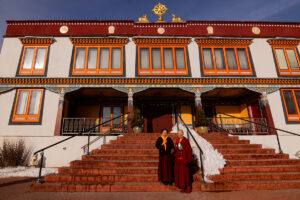
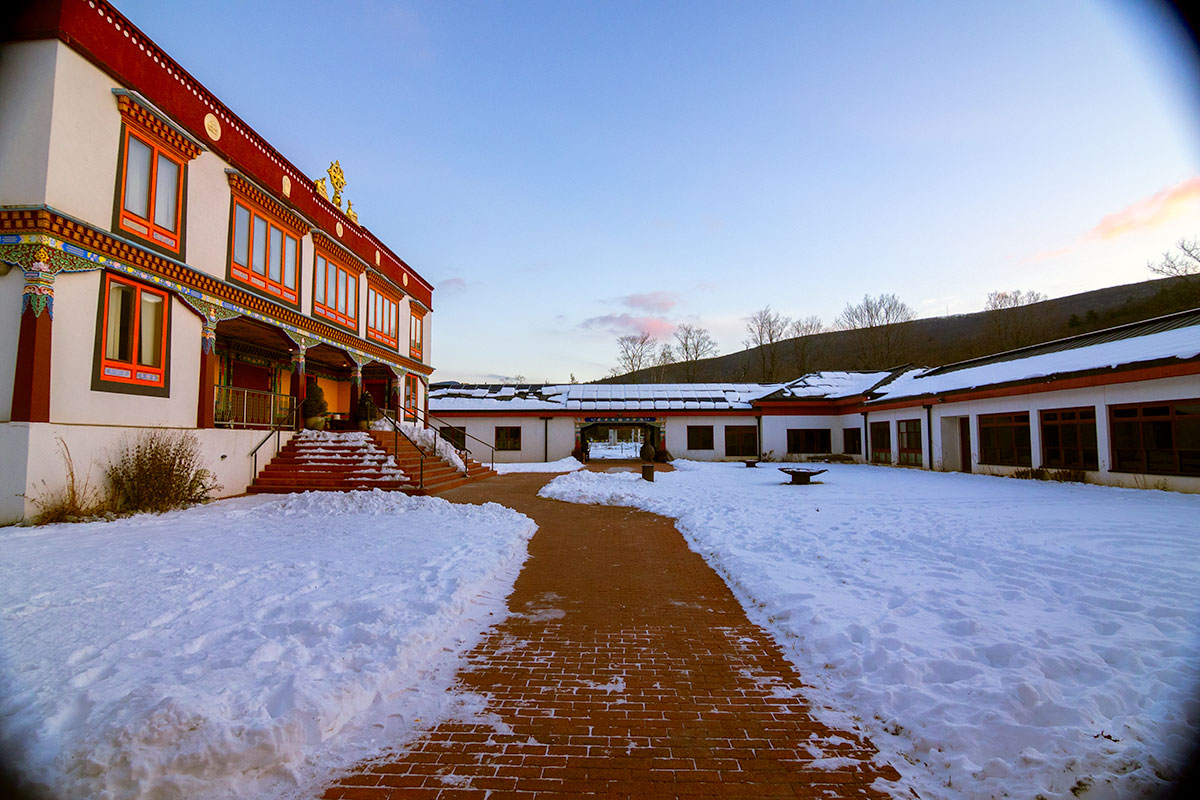
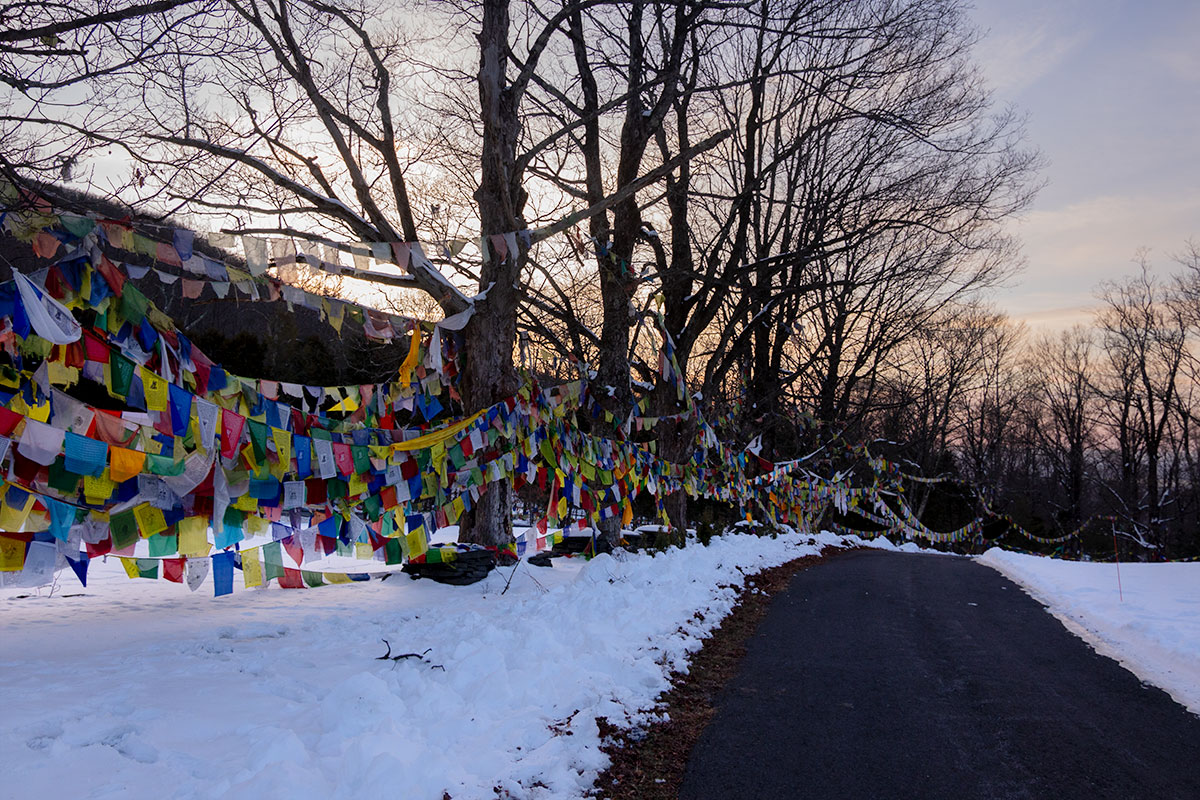
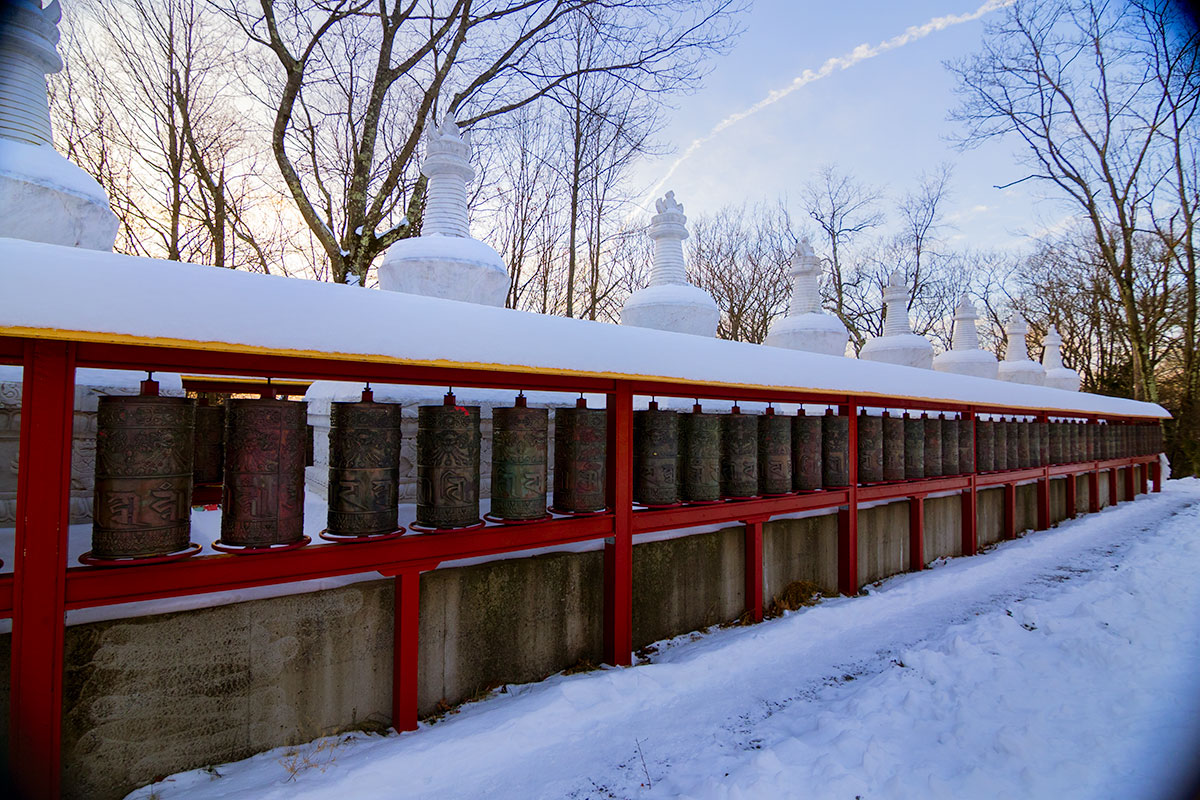
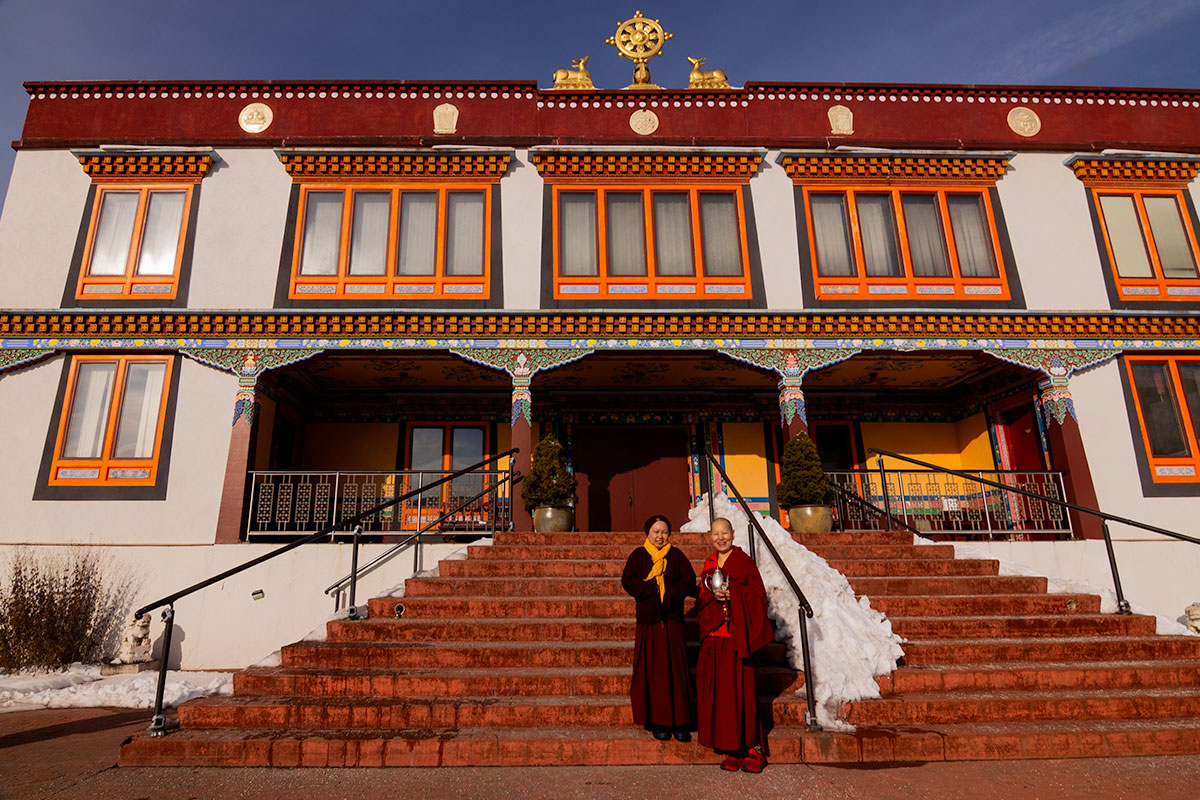
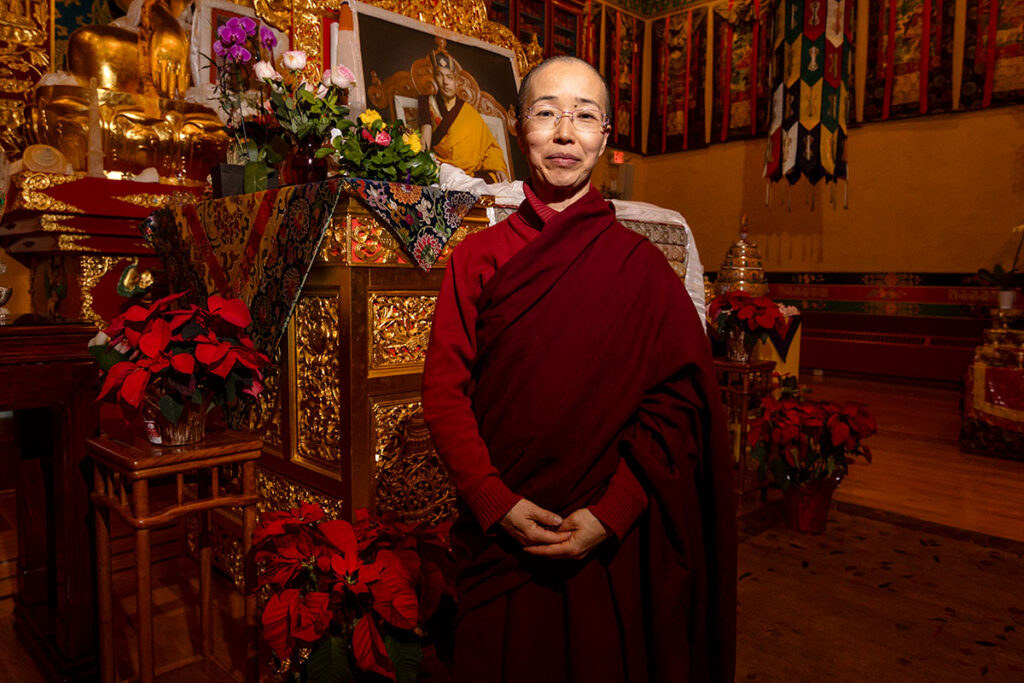
If you’ve ever tried to sit quietly and immediately felt your mind racing, you’re not alone. Many people call this the “monkey mind”—a restless stream of thoughts that never seems to stop. So how do you actually learn to meditate? To find out, I visited Karma Triyana Dharmachakra Monastery (KTD Monastery), a Tibetan Buddhist monastery located in Woodstock. The monastery serves the spiritual seat of the Ogyen Trinley Dorje, head of the Karma Kagyu lineage of Tibetan Buddhism.
I attended a meditation retreat to learn how beginners can train their minds, calm the nervous system, and develop inner peace.
Why Meditation Matters for Health and the Nervous System
Modern research increasingly shows that meditation can help: Reduce stress and anxietyReduce stress and anxiety.
Improve sleep quality
Calm the nervous system
Improve emotional regulation
Increase focus and awareness
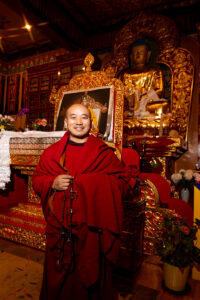
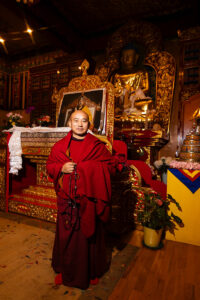
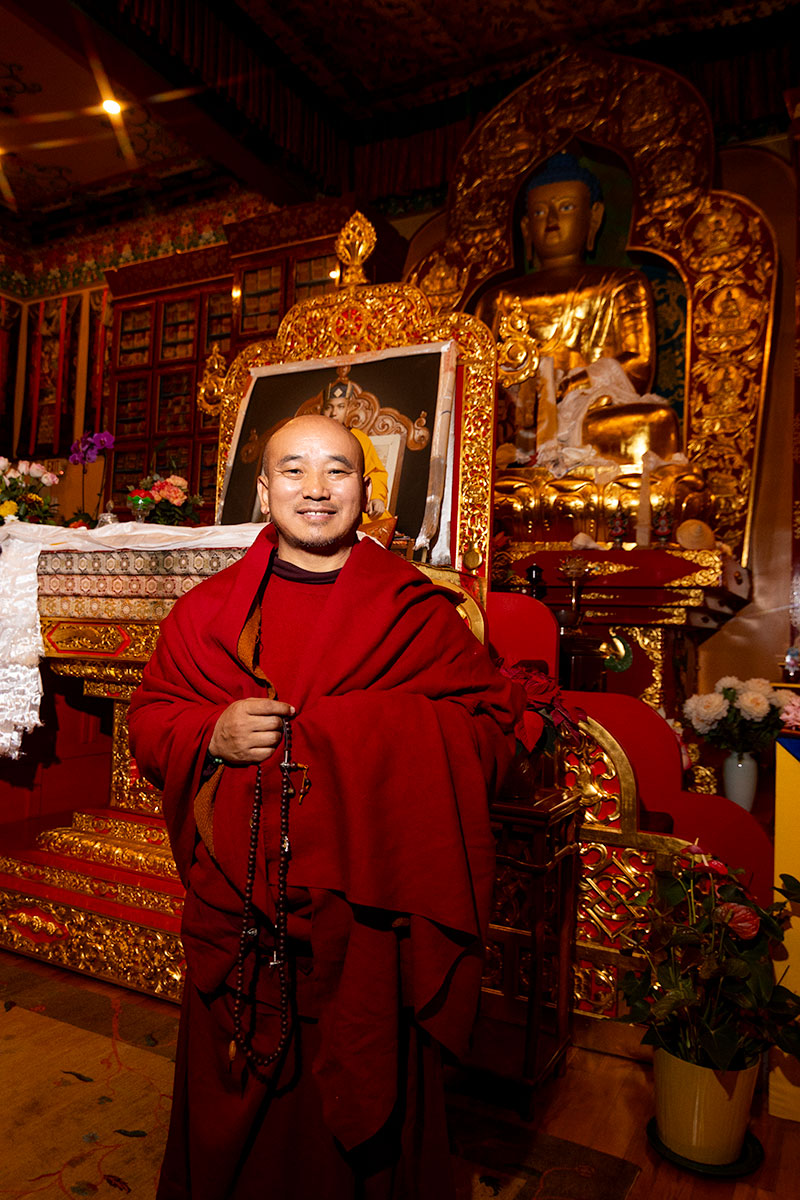
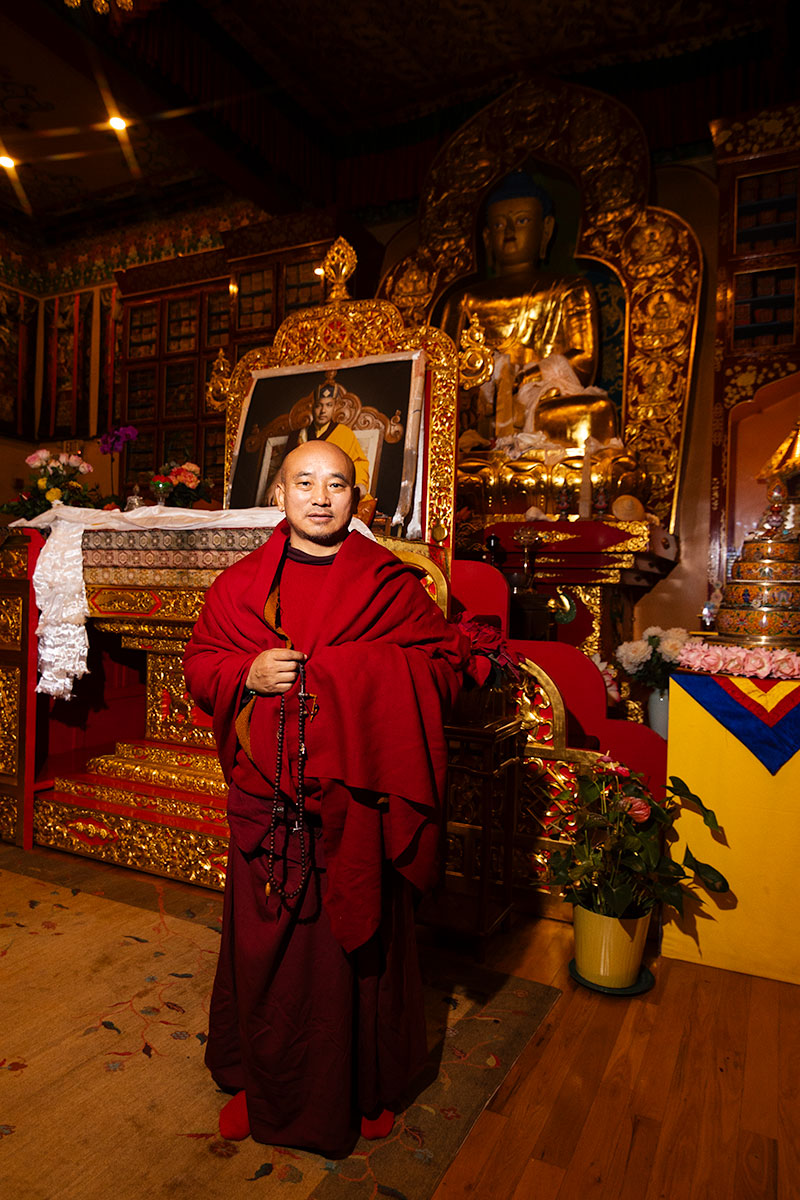
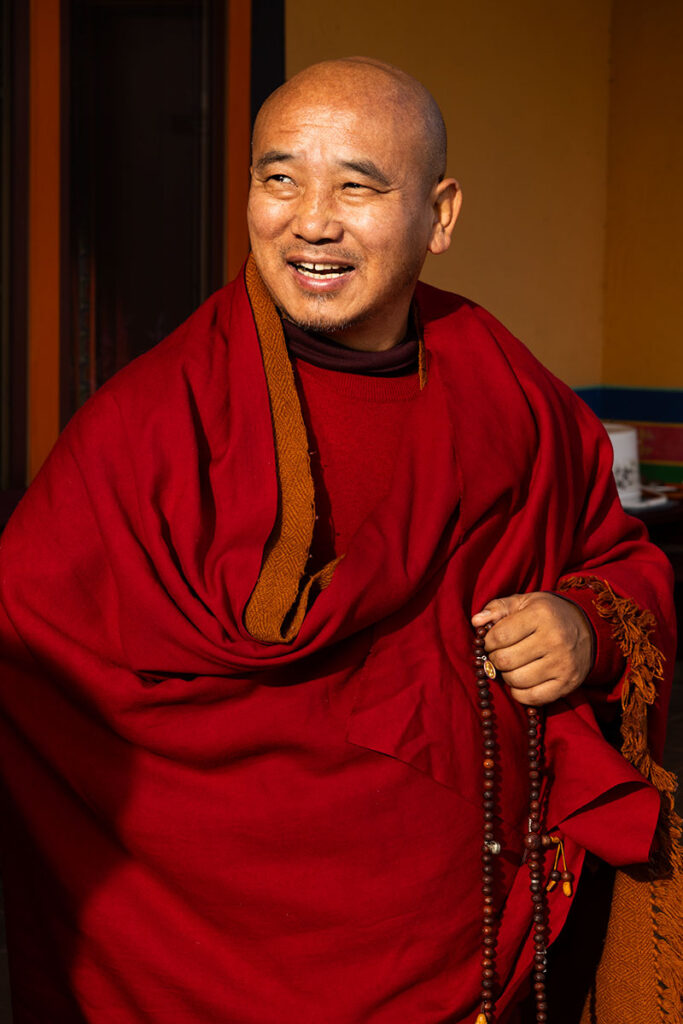
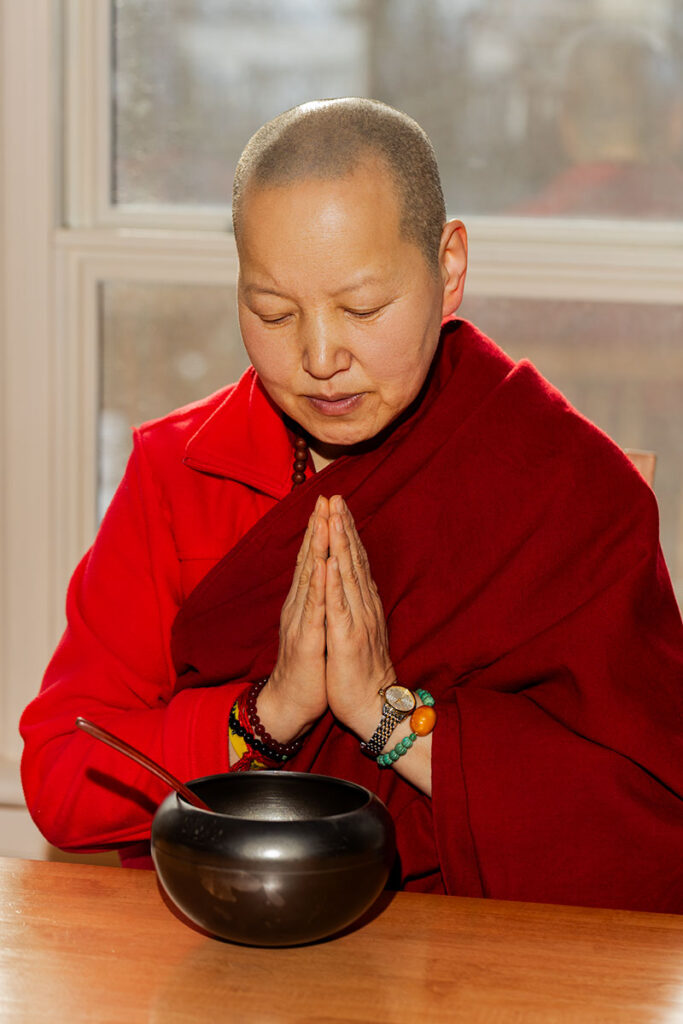
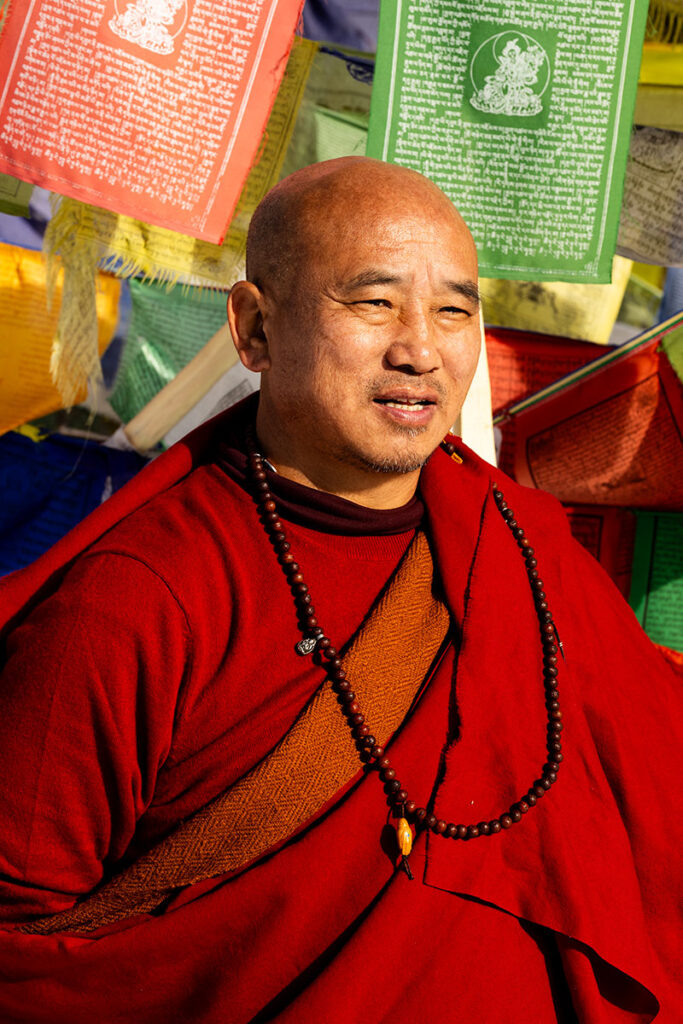
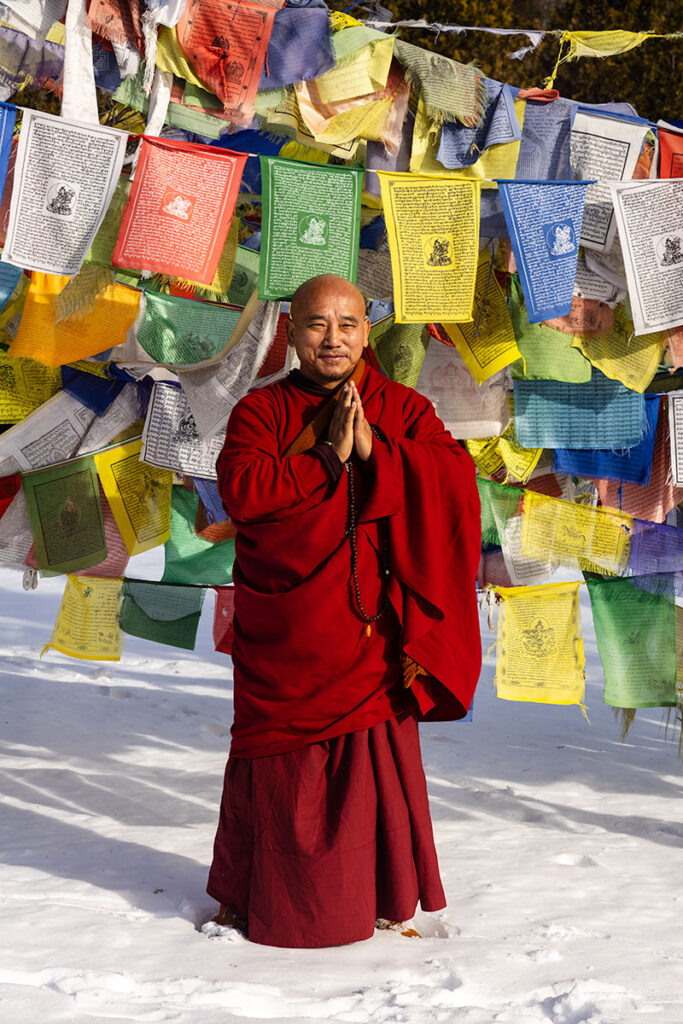
But many beginners don’t know where to start or how to quiet their thoughts.That’s where meditation teachers and traditional practices can help. During my retreat, I studied with Buddhist monk Khenpo Tenkyong.
Meet the Monk: Khenpo Tenkyong
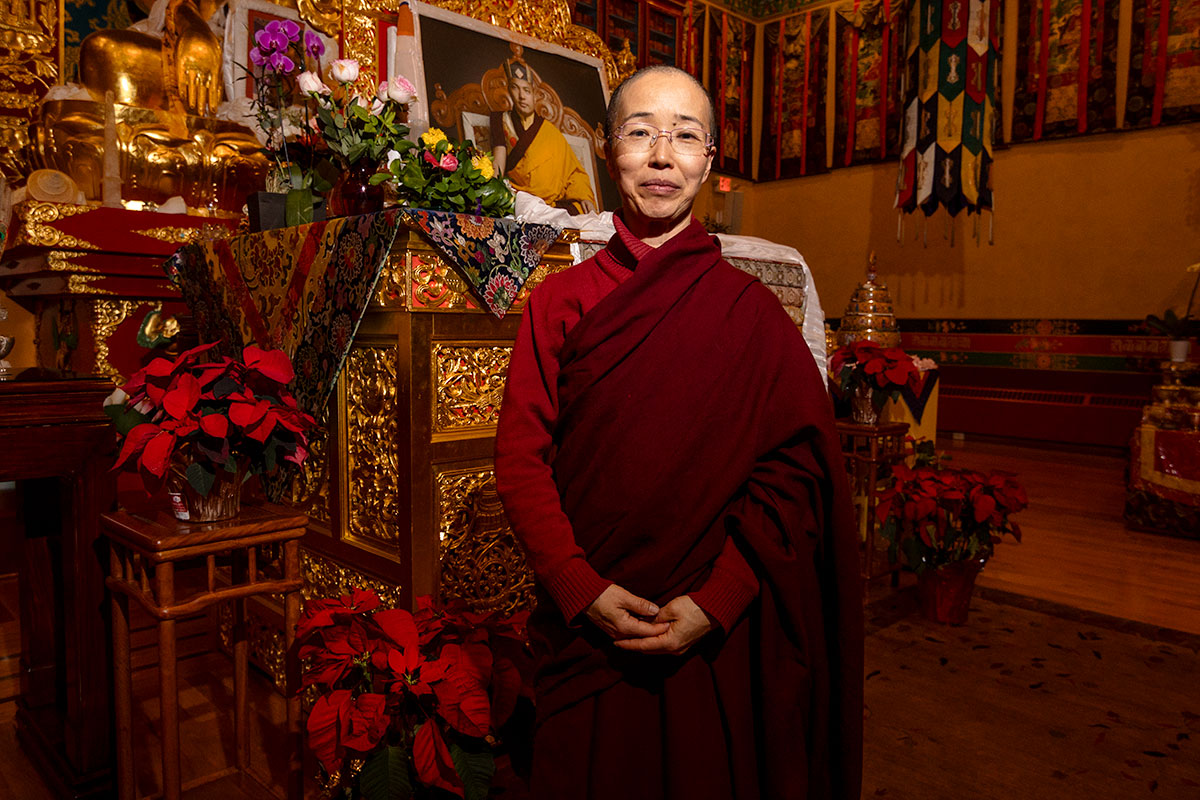
Khenpo Tenkyong is a Tibetan Buddhist monk dedicated to teaching meditation and Buddhist philosophy.
He completed his monastic training in Pokhara, Nepal at the Karma Drubgyu Chokhor Ling Monastery. Later, he studied for eleven years at Karma Shri Nalanda Institute, one of the most respected Buddhist universities in the Tibetan tradition.
In 2000 he received the Acharya Certificate, equivalent to a master’s degree in Buddhist philosophy. In 2014, he was sent by His Holiness the Karmapa to teach and serve as president of KTD Monastery.His goal is simple: help students build the foundation for meditation and awareness.
Understanding the Roots of Meditation
Meditation is deeply connected to the teachings of Siddhartha Gautama, known as the Buddha.
Born around the 5th century BCE in present-day Nepal, Siddhartha was originally a prince. According to tradition, his father shielded him from suffering so he would remain focused on ruling the kingdom. But when Siddhartha left the palace and encountered sickness, aging, and death, he began searching for answers to human suffering.
Through years of meditation and contemplation, he eventually reached enlightenment while meditating beneath the Bodhi Tree, he became known as the Buddha, meaning “the awakened one.”
His teachings focused on understanding suffering and how to free the mind from it.
The Core Teaching Behind Meditation
The Buddha’s path is often summarized through the Four Noble Truths:
1. The Truth of Suffering (Dukkha)
Life contains dissatisfaction, stress, and suffering.
2. The Cause of Suffering (Samudaya)
Suffering arises from attachment and craving.
3. The End of Suffering (Nirodha)
Freedom from suffering is possible.
4. The Path (Magga)
The way to freedom is the Eightfold Path.
the The Eightfold Path
This path trains both the mind and behavior:
- Right View
- Right Intention
- Right Speech
- Right Action
- Right Livelihood
- Right Effort
- Right Mindfulness
- Right Concentration
Meditation develops the final two: mindfulness and concentration.
Key Buddhist Concepts
Karma
Actions—mental, verbal, or physical—create consequences.
Samsara
The cycle of birth, suffering, and rebirth.
Nirvana
A state of profound peace where desire and suffering are extinguished.
Sangha
The community of monks, nuns, and practitioners who support the path.
Major Traditions of Buddhism
Mahayana Buddhism
Practiced in countries like Japan, Korea, and Tibet.
It emphasizes compassion and the ideal of the Bodhisattva—an enlightened being who helps others awaken.
Vajrayana Buddhism
A form of Tibetan Buddhism that includes practices like chanting, visualization, and mantra recitation.
Theravada Buddhism
The oldest surviving Buddhist tradition, practiced widely in Sri Lanka, Thailand, Myanmar, Laos, and Cambodia.
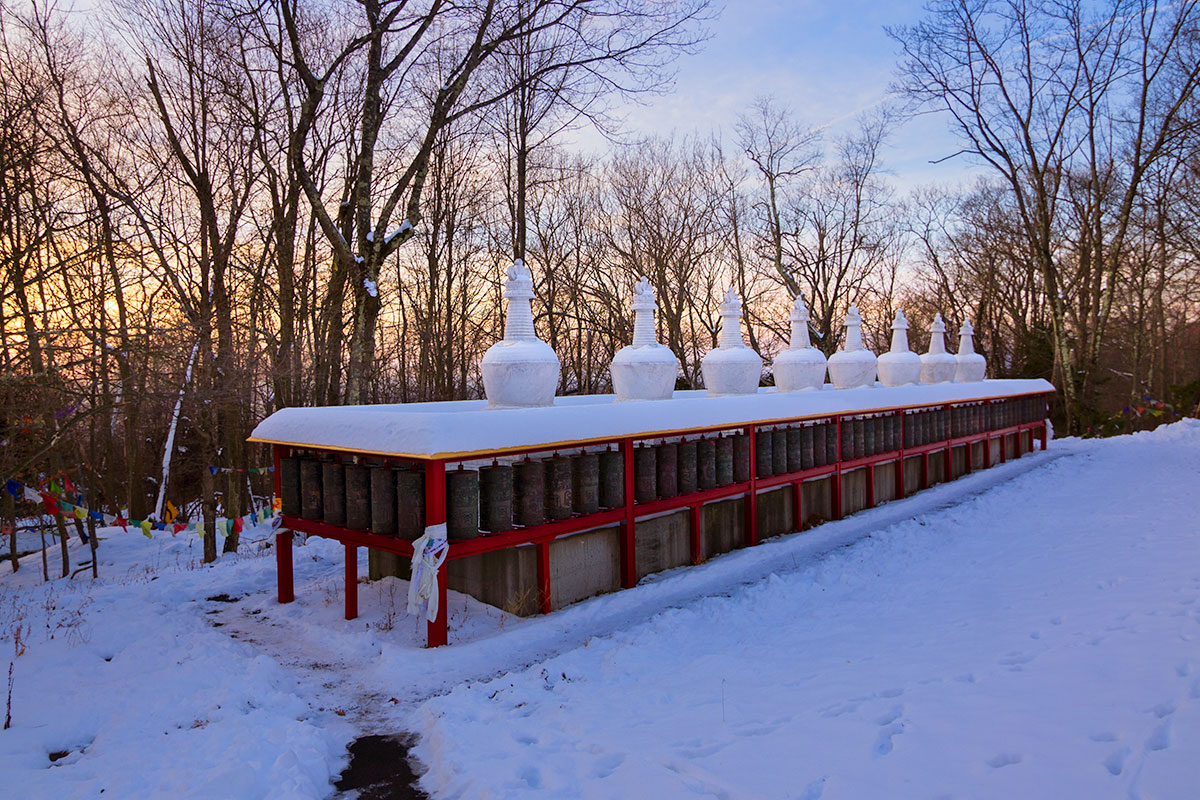
My First Meditation Retreat
Our meditation retreat began at 9 a.m.
Sessions ran from:
- 9:00 AM – 12:00 PM
- 2:00 PM – 4:00 PM
For beginners, meditation isn’t just sitting still. We practiced several different types of meditation, including:
- Sitting meditation
- Walking meditation
- Standing meditation
- Movement meditation
- Chanting meditation
Each one trains the mind in a slightly different way.
Learning How to Actually Listen
One meditation exercise surprised me.
We would meditate briefly. Then the teacher asked a student a question. That student answered, and another student had to repeat the answer word for word. This practice trains deep listening and awareness.
Most of us realize we’re not truly listening—we’re already thinking about what to say next. The exercise helped us become aware of tone, sound, and meaning. It showed me that much of life is like playing “telephone.” We hear words but rarely absorb them fully.
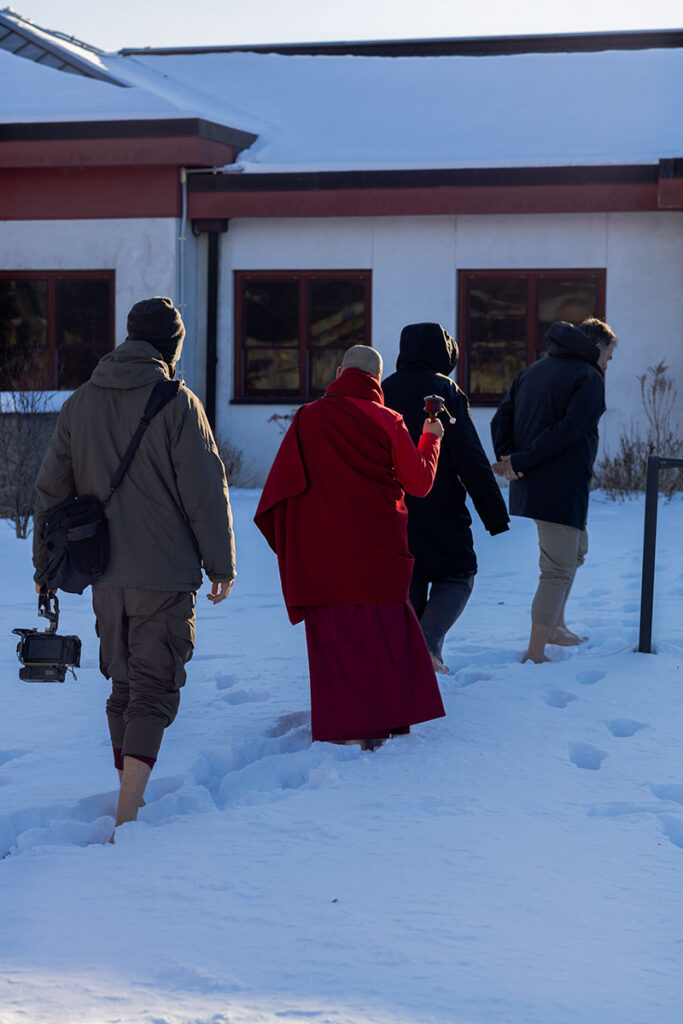
Walking Meditation in the Snow
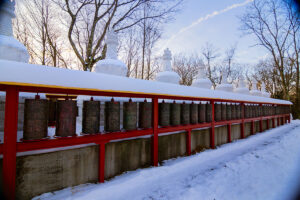
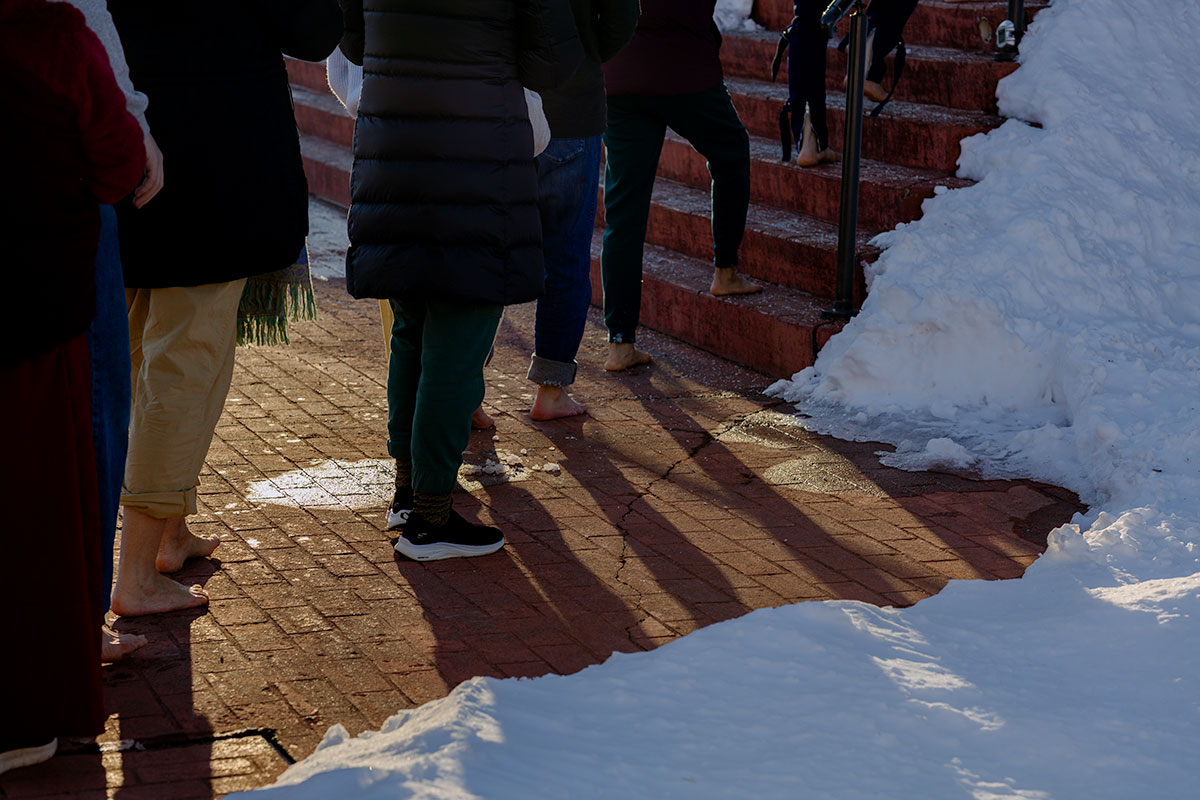
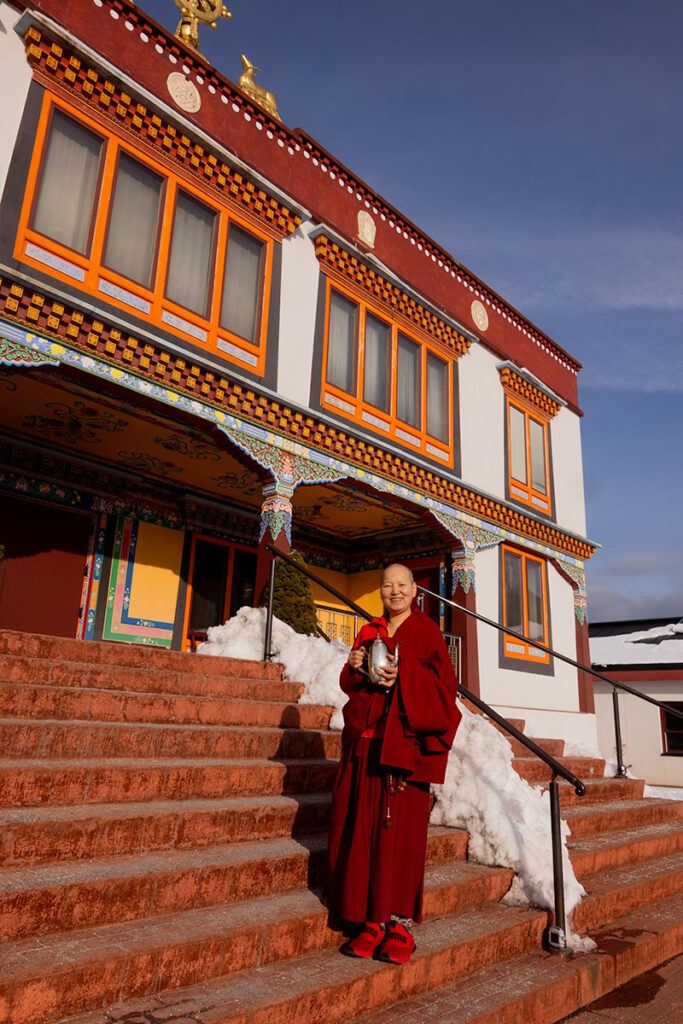
One of the most memorable practices was walking meditation. We slowly walked outside in the snow, focusing on each step while chanting the mantra:
Om Mani Padme Hum
This sacred mantra is associated with compassion. It is believed to help purify emotions such as:
- anger
- jealousy
- pride
- ignorance
- greed
The phrase is often translated as:
“The jewel is in the lotus.”
Walking meditation teaches awareness of the body and breath while moving—something beginners can often find easier than sitting meditation.
The Power of Chanting Meditation
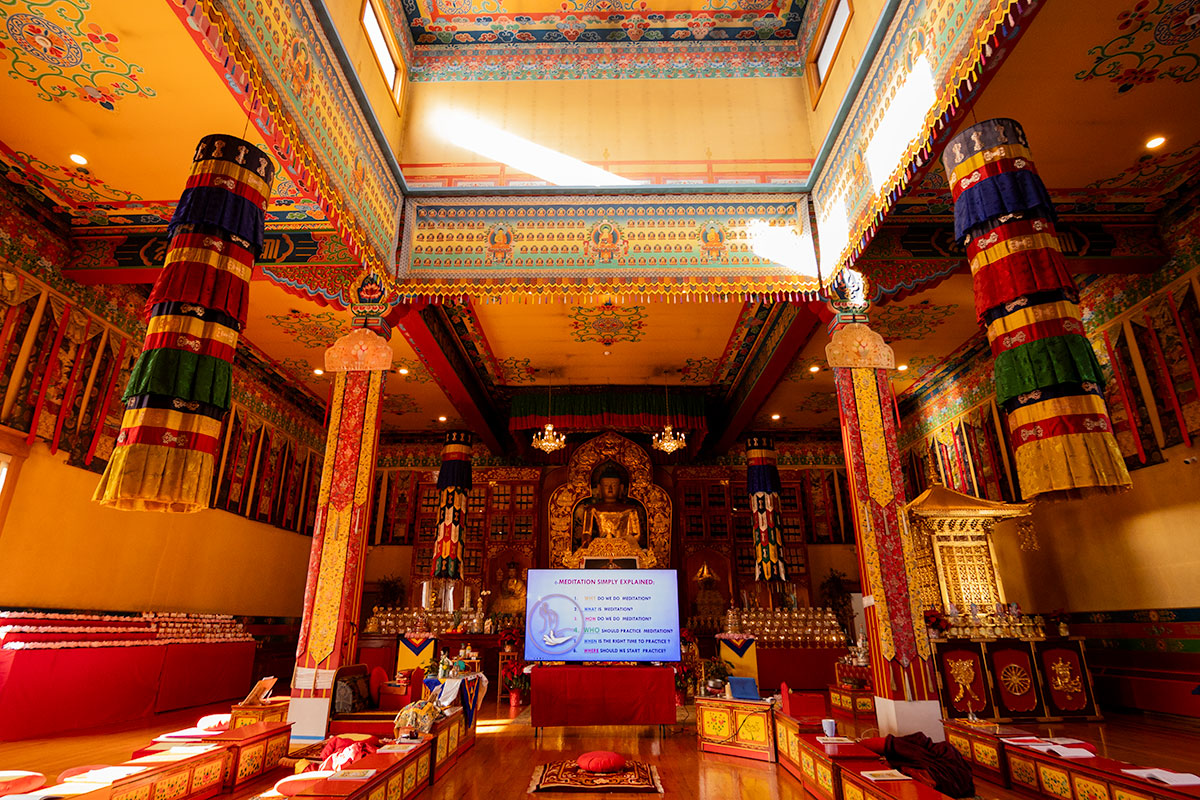
We also practiced chanting meditation. For many people, chanting can quiet the mind quickly because the sound gives the mind something to focus on.
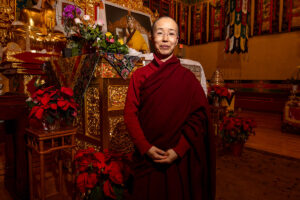
Later that evening, chanting was guided by monk Yonten.
The vibration of the sound filled the temple and created a strong sense of calm and presence.
Living Like a Monk for a Day
During the retreat we stayed overnight at the monastery.
The experience included:
- meditation sessions
- chanting
- vegetarian meals
- conversations with monks and practitioners
Spending time in this environment helped remove everyday distractions and made meditation easier to practice.
What I Learned About Meditation
The biggest lesson I learned is that meditation is not about stopping thoughts completely.
Instead, it’s about:
- becoming aware of your mind
- calming your nervous system
- developing focus and compassion
- learning to observe thoughts without reacting to them
Over time, this practice can lead to deeper peace and clarity.
Want to Try a Meditation Retreat?
If you’re interested in learning meditation for the first time, spending time at a monastery can be a powerful experience. Visitors can attend retreats or stay at Karma Triyana Dharmachakra Monastery in Woodstock, New York.
For more information, you can visit their website:
Or contact the monastery directly:
operations@kagyu.org
Address: located at 335 Meads Mountain Road, Woodstock, New York.