
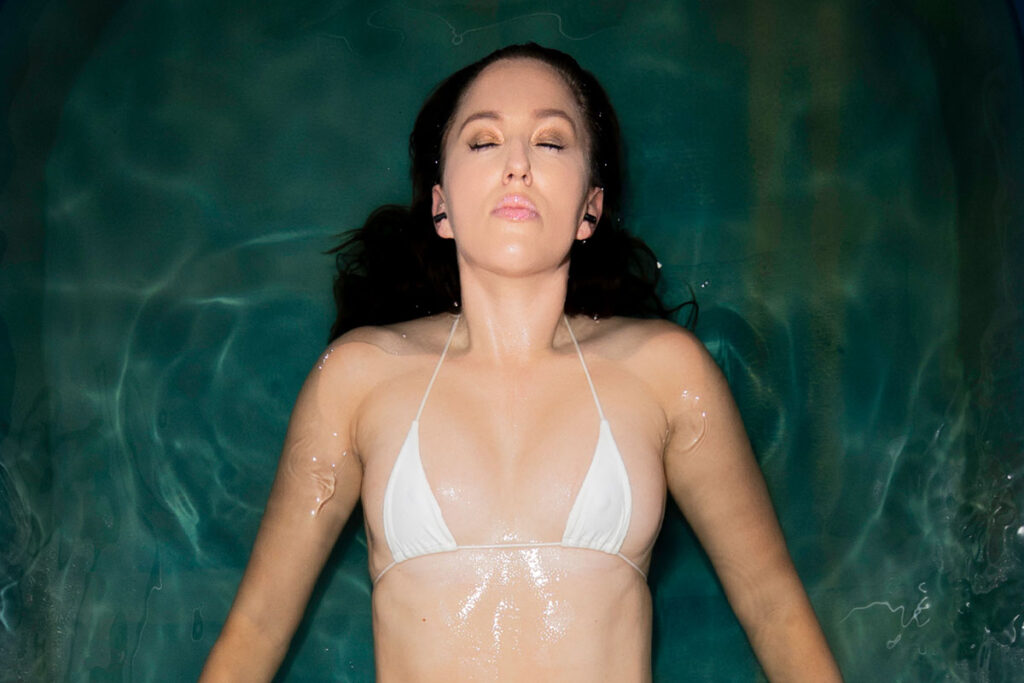
In a world dominated by notifications, screens, and constant sensory input, the nervous system rarely experiences true stillness.
Sensory deprivation—more commonly known today as float tank or isolation tank—was created to do exactly that: reduce external stimulation so the body and brain can reset, recover, and regulate.
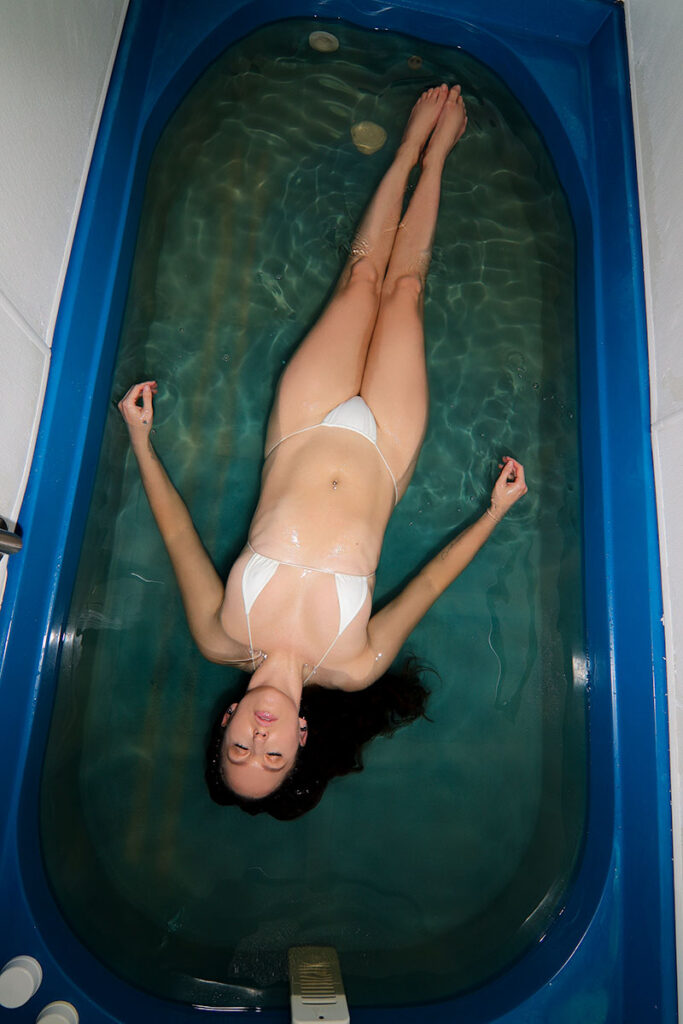
Float therapy takes place inside a specially designed tank or pod filled with warm water saturated with approximately 800 to 1,000 pounds of Epsom salt (magnesium sulfate). The water is heated to around 93–95°F, closely matching skin temperature so the body begins to lose the distinction between air, water, and physical boundaries.
The result is near-weightlessness: a sensation where the body floats effortlessly with no light or sound. With sensory input minimized, the brain can shift away from stress-driven activity and enter deeper restorative states associated with calm, creativity, and internal awareness.
This sensory reduction often encourages the brain to move from high beta brainwave activity (associated with alertness and stress) toward alpha and theta states—patterns commonly linked to meditation, relaxation, creativity, and dream-like awareness.
Health and Therapeutic Benefits
Sensory deprivation is increasingly used as a complementary wellness practice for recovery and nervous system regulation. Studies suggest it may support stress reduction and relaxation, particularly through reduced environmental stimulation and deep muscular release.
Reported benefits include:
- Reduced stress and anxiety through calming of the sympathetic nervous system
- Improved sleep quality
- Muscle recovery and physical decompression
- Relief from joint pressure and spinal compression
- Lower perceived tension and mental fatigue
- Enhanced focus and emotional regulation
Reported sensations:
- Falling asleep safely during a session
- Entering a meditative or semi-dream state
- Feeling mentally clear and physically calm afterward
The magnesium-rich water contributes to muscular comfort, although research remains mixed on how much magnesium is absorbed through the skin during a float session.
For athletes, artists, and individuals experiencing burnout, float therapy has become especially appealing because it creates an environment where the body does not need to resist gravity, noise, or stimulation.
Some floaters also describe seeing visual patterns, colors, or vivid internal imagery—effects likely related to sensory withdrawal and altered brainwave activity rather than external hallucination.

The Origins of the Isolation Tank: Who Was John C. Lilly?
Dr. John C. Lilly was a neuroscientist, physician, inventor, and consciousness researcher whose work laid the foundation for modern sensory deprivation.
Educated at California Institute of Technology and the University of Pennsylvania, Lilly became one of the earliest scientists to explore how consciousness behaves when sensory input is removed.
In 1954, while working at the National Institute of Mental Health, he developed the first isolation tank to answer a radical question:
Does consciousness continue when external sensory input disappears from the brain?
His earliest tank designs were vertical chambers requiring breathing equipment and total darkness. Over time, the system evolved into the horizontal saltwater flotation tanks widely used today.
Float Tanks and Altered States of Consciousness
During the 1960s and 1970s, float tanks became part of broader scientific interest in altered states of consciousness.
Lilly explored isolation both sober and, controversially, under the influence of psychedelics including LSD and later ketamine. These experiments remain controversial but played a major role in shaping public fascination with float tanks and consciousness research.
In the 1970s, engineer Glenn Perry helped redesign the tank into a more practical horizontal float system—removing helmets and breathing masks, making float therapy far more accessible to the public.
Dolphins, Communication, and Scientific Controversy
Lilly later turned his attention to interspecies communication, particularly with dolphins. He wanted to teach the English language to dolphins. At the Communication Research Institute in the U.S. Virgin Islands, he explored whether humans and dolphins could communicate through sound, mimicry, or even telepathy. This project was funded by NASA.
While his work showed that dolphins can mimic human speech patterns, many of his methods were criticized, and his dolphin research remains controversial. Nevertheless, Lilly’s work pushed the boundaries of science, consciousness studies, and human perception.
His research inspired films such as Altered States and Day of the Dolphin, and later intersected with projects like SETI, exploring communication with aliens.
Float Therapy Today: A Modern Wellness Tool
From the 1980s onward, float tanks moved from experimental laboratories into wellness centers around the world.
Today, float therapy is used to support:
- Stress management
- Athletic recovery
- Chronic tension relief
- Meditation practice
- Emotional decompression
- Creative focus
While float therapy is not a substitute for medical treatment, many people use it as a complementary practice for restoring balance in overstimulated modern lives.
First-Time Float Tips / Session preparation
- Do not shave the same day
- Shower before and after floating
- Float nude
- Wear earplugs provided by the center
- Stay hydrated beforehand
- Avoid freshly dyed hair
- Do not float with open wounds, recent tattoos, or skin irritation
- One person per tank
Learn more

Photojournalist