
Overview:
For thousands of years, humans consumed milk directly from their own animals without industrial processing. Before refrigeration and modern food safety practices existed, milk was produced and consumed locally, often within hours of milking. As cities expanded during the 19th century, however, the dairy industry underwent a dramatic transformation. Milk was transported longer distances, production became increasingly industrialized, and sanitation practices often failed to keep pace with demand.
These changes contributed to widespread public health concerns. During the late 1800s, many urban dairies operated in unsanitary conditions, increasing the risk of contamination. At the time, indoor plumbing, modern sanitation systems, and refrigeration were either limited or unavailable. Cooling boxes weren’t created until 1860. And refrigerated storage was not widely adopted until the 1930s, making fresh milk particularly vulnerable to bacterial growth during transportation and storage
The Swill Milk Scandal
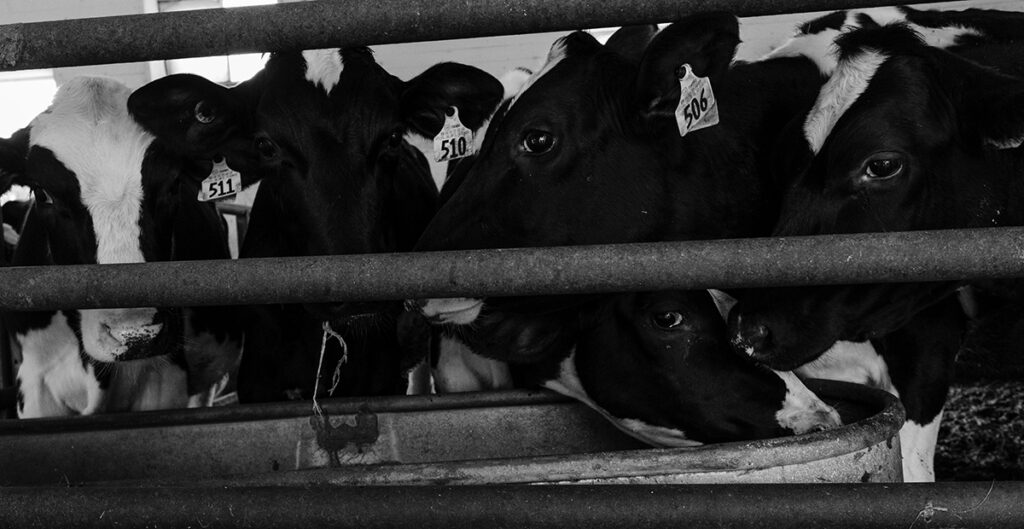
Located near distilleries in major cities, these dairies fed cows the leftover fermented grain—or “swill”—from alcohol production rather than a nutritious diet. The animals were frequently confined in overcrowded, unsanitary conditions and suffered from malnutrition and disease. Many became too weak to stand, yet were continually milked.
The milk these cows produced was often thin, gray, and contaminated. In some cases, producers attempted to disguise its poor quality, smell, taste, by adding substances such as formaldehyde to delay spoilage. These practices contributed to outbreaks of foodborne illness and were linked to high rates of infant mortality in several American cities.
Public outrage over unsafe dairy practices helped shape modern food safety laws. The passage of the Pure Food and Drug Act of 1906 marked a turning point in regulating food production and eliminating dangerous practices.
The Development of Pasteurization
In the 1860s, French scientist Louis Pasteur developed the process that would later become known as pasteurization. Pasteurization involves heating milk to a specific temperature for a controlled amount of time before rapidly cooling it. This process significantly reduces harmful microorganisms—including E. coli, Salmonella, Listeria monocytogenes, and Campylobacter—that can cause serious foodborne illness.
Nathan Straus and Public Health Education
American businessman Nathan Straus, co-owner of Macy’s department store, became a leading advocate for pasteurized milk after witnessing high infant mortality rates associated with contaminated dairy products.
Beginning in the 1890s, Straus funded pasteurized milk stations throughout New York City and launched public education campaigns for mothers and their infants. His work is widely credited with helping reduce infant deaths and increasing public awareness of food safety.
Understanding Raw Milk Today
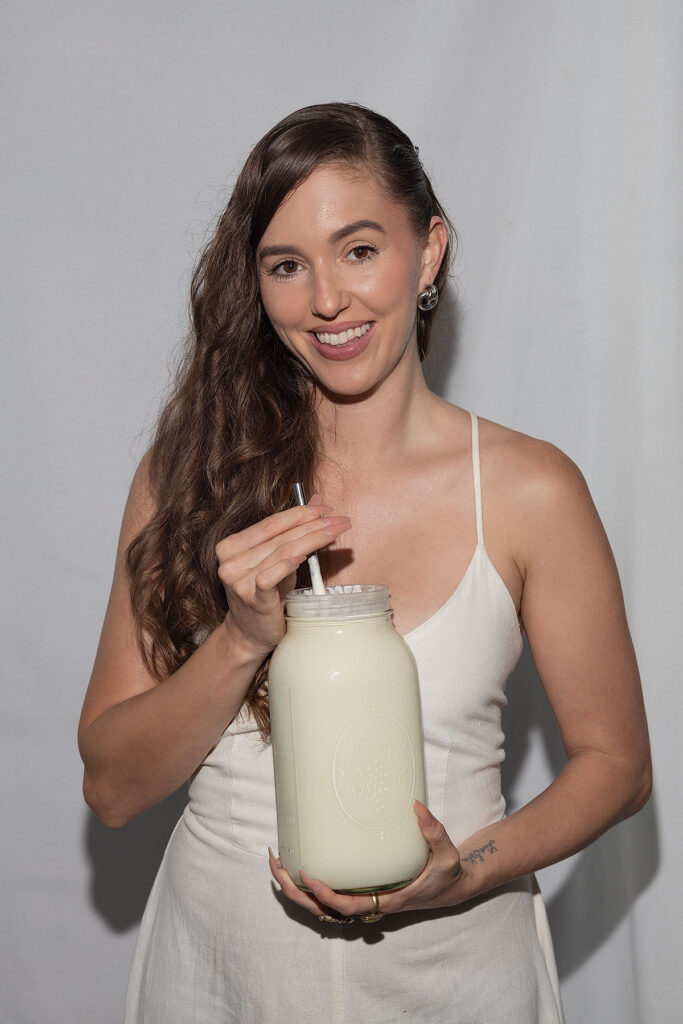
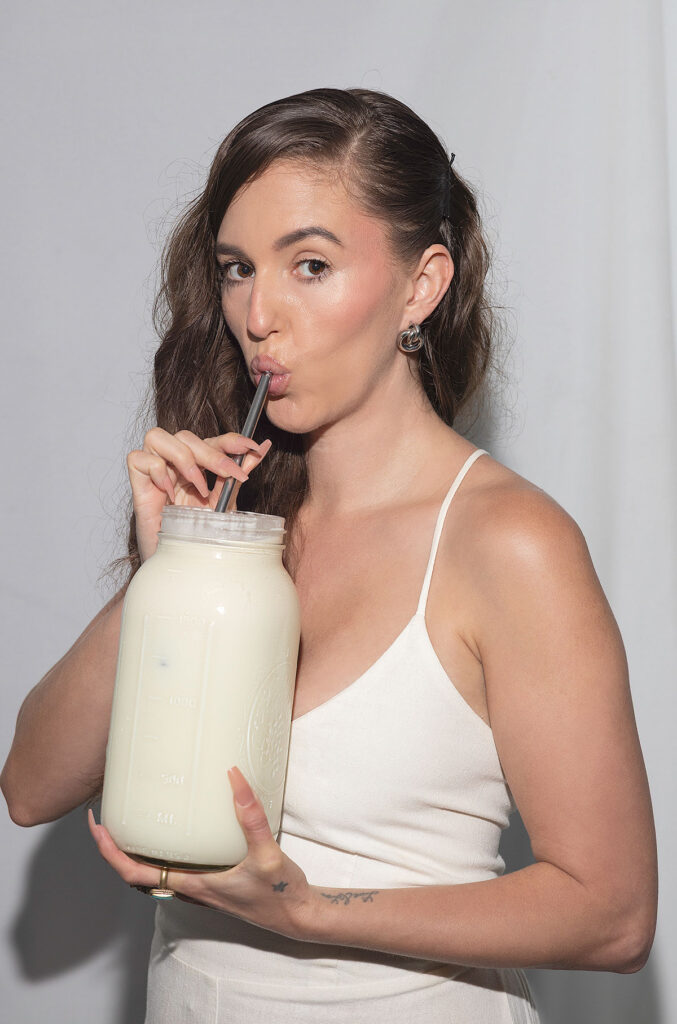
Raw milk is milk that has not been pasteurized. Supporters believe it retains naturally occurring enzymes, beneficial bacteria, and heat-sensitive nutrients that are altered during processing. Many consumers also prefer its richer flavor and traditional production methods.
In recent years, raw milk has gained renewed popularity through farmers’ markets, local food movements, and social media, where advocates often describe it as a minimally processed, nutrient-dense food.
The CDC warns people who drink raw milk that it may carry harmful bacteria capable of causing severe illness, particularly in young children, pregnant women, older adults, and individuals with weakened immune systems.
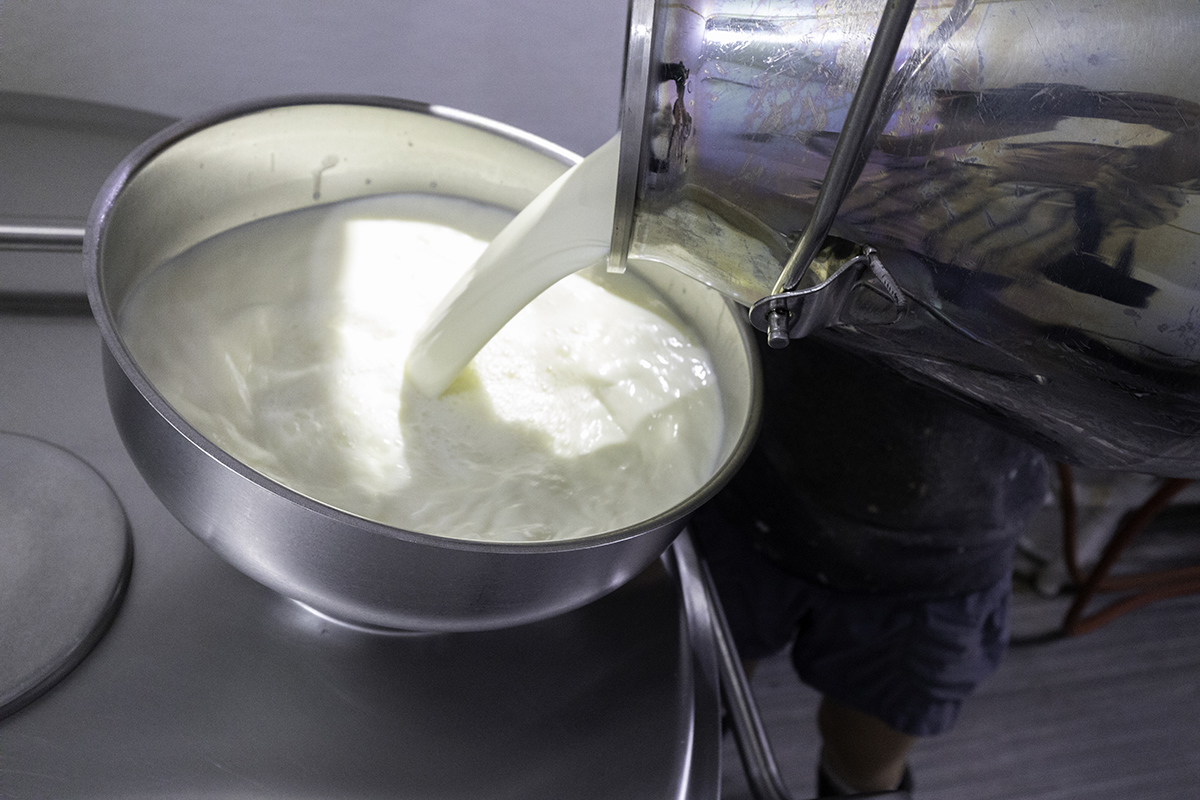
Benefits of Raw Milk
Researchers continue to investigate whether raw milk may offer unique health benefits beyond conventional pasteurized milk. Areas of ongoing research include:
- Naturally occurring enzymes
- Beneficial bacteria that may influence the gut microbiome
- Bioavailable proteins and amino acids
- Vitamins and minerals
- Bioactive peptides
- Childhood allergy and asthma prevention in farm environments
Potential Risks
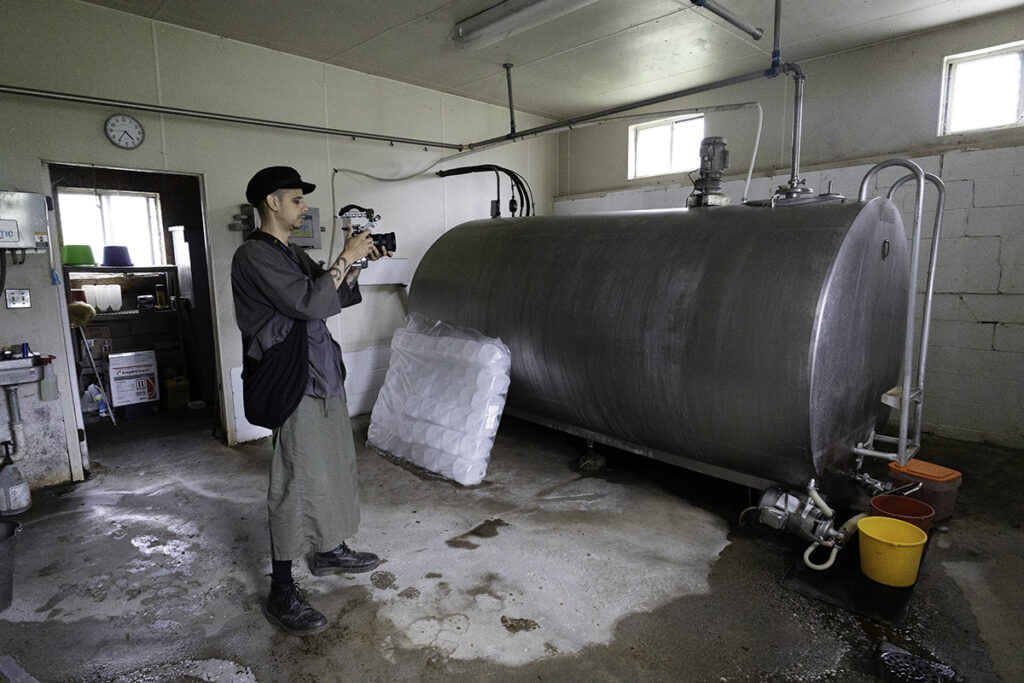
The primary concern surrounding raw milk is bacterial contamination.
If milk comes from infected animals or is collected, stored, or transported under poor sanitary conditions, harmful pathogens may be present, including:
- Escherichia coli (E. coli)
- Listeria monocytogenes
- Campylobacter
- Salmonella
- Brucella
- Bovine tuberculosis
Although reputable farms follow strict testing and sanitation procedures, no raw milk can be considered completely risk-free.Mind & Mood
Homogenized vs. Non-Homogenized Milk
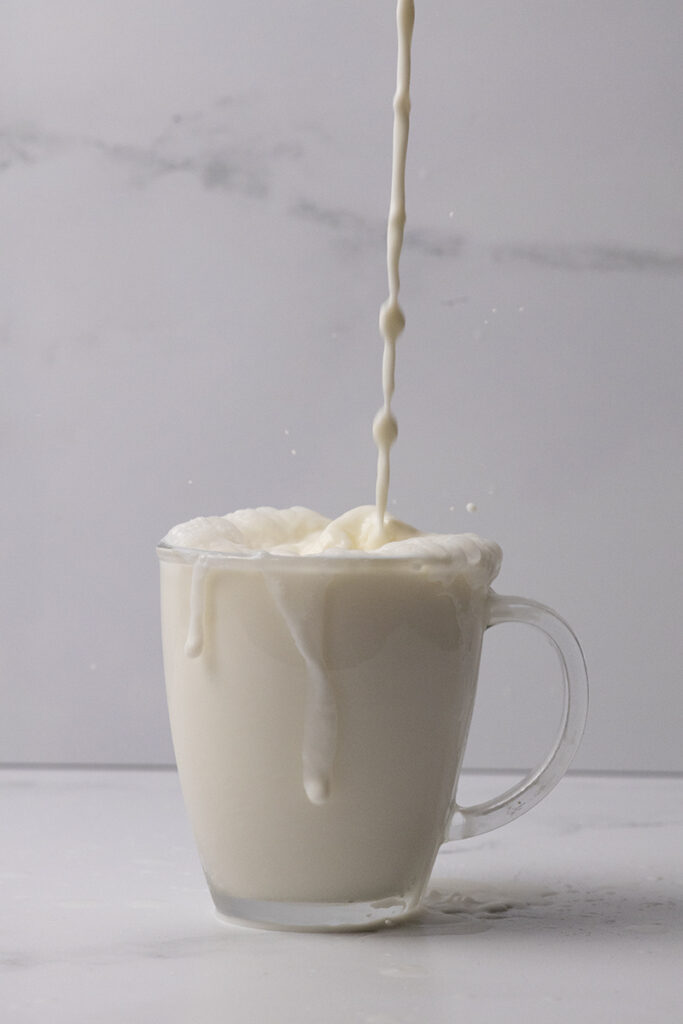
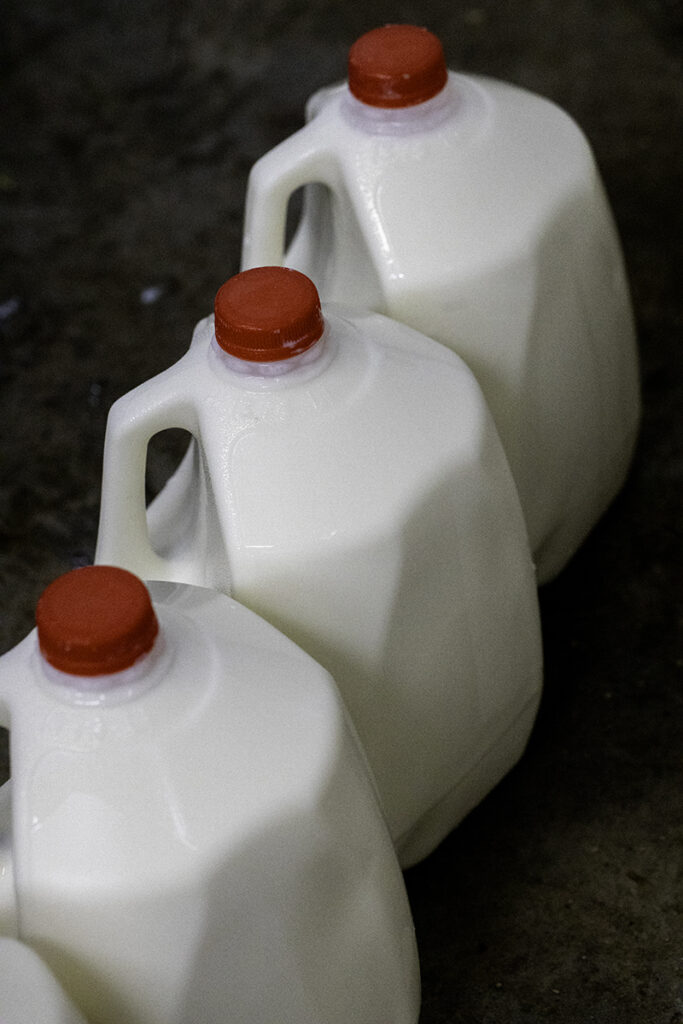
Homogenization is a mechanical process that forces milk through fine openings under high pressure, breaking large fat globules into much smaller particles. This prevents the cream from naturally separating and rising to the top.
Non-homogenized milk skips this step, allowing the cream to separate naturally. Many consumers describe its texture as richer and creamier, while others prefer the consistency of homogenized milk. Homogenization primarily changes texture and appearance rather than overall nutritional value.
If You’re Considering Raw Milk
If you choose to consume raw milk:
- Purchase only from licensed farms that follow strict sanitation and testing protocols.
- From a Local licensed farmer in your town is best
- Keep milk refrigerated at all times.
- Consume it promptly before its expiration date.
- If you have a sensitive digestive system, introduce it gradually. Try a teaspoon or two.
- Speak with your healthcare provider if you are pregnant, immunocompromised, or have underlying medical conditions.
My Experience: Milking Process
I visited a local farm to gain a firsthand understanding of how milk goes from the cow to the consumer. Rather than simply researching the process, I wanted to learn directly from a farmer, observe the milking process, ask questions about farm practices and safety, and hear the farmer’s perspective on consuming raw milk.
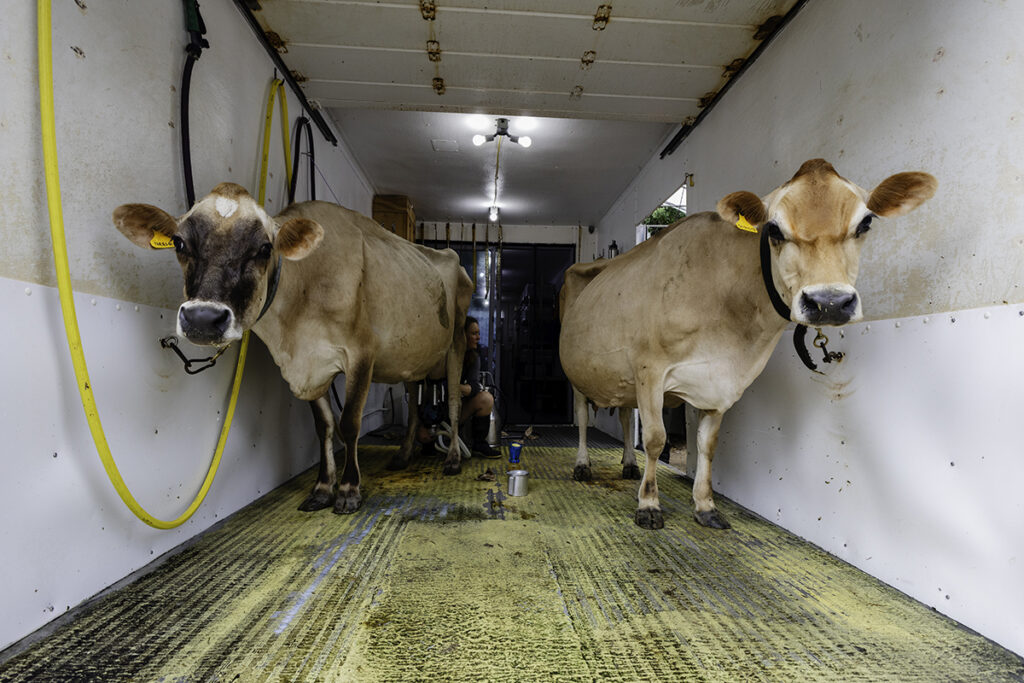
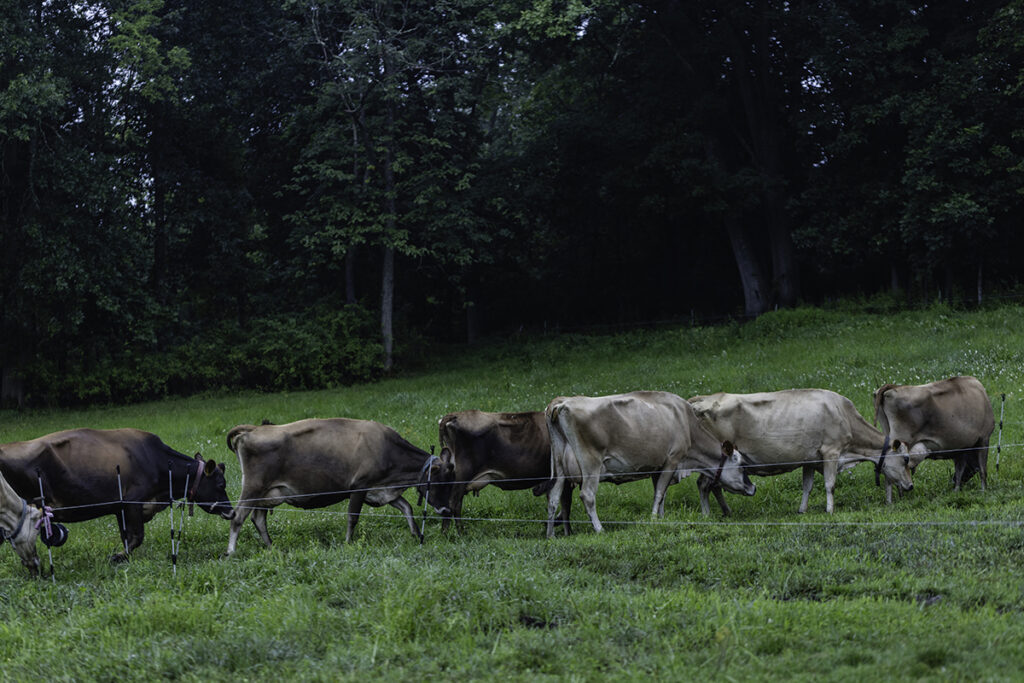
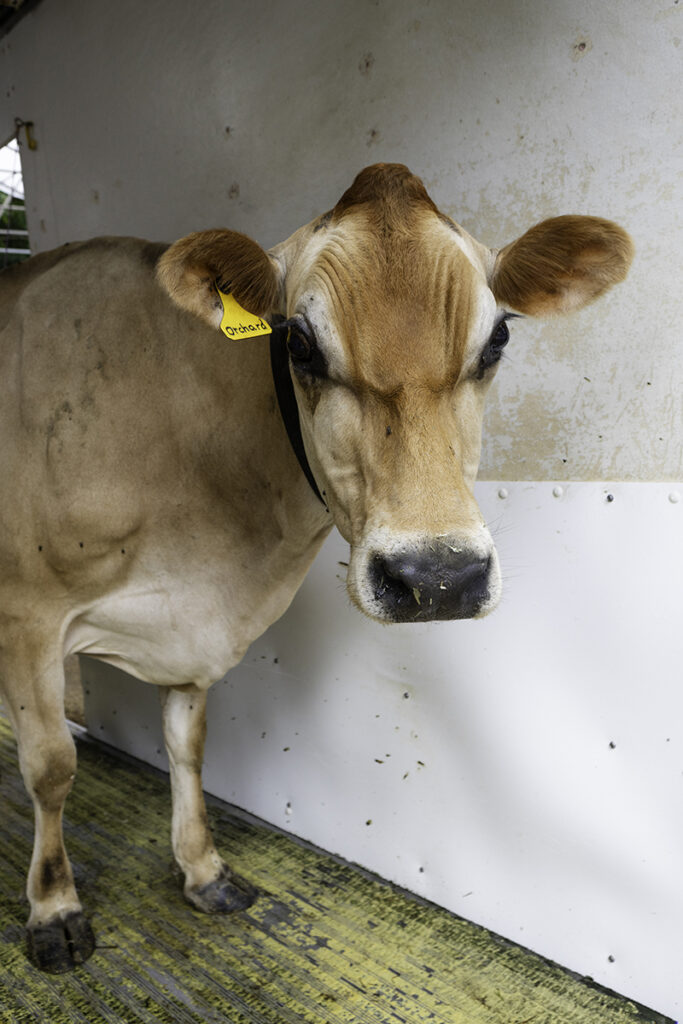
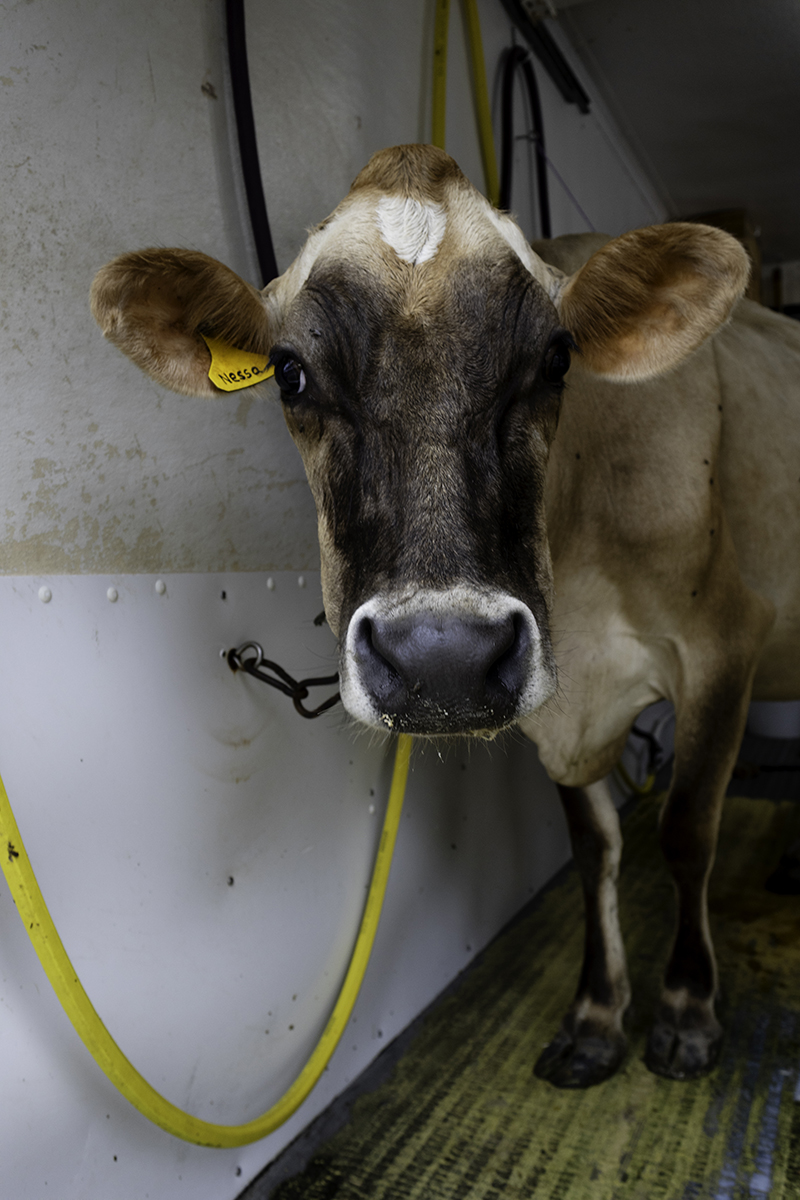
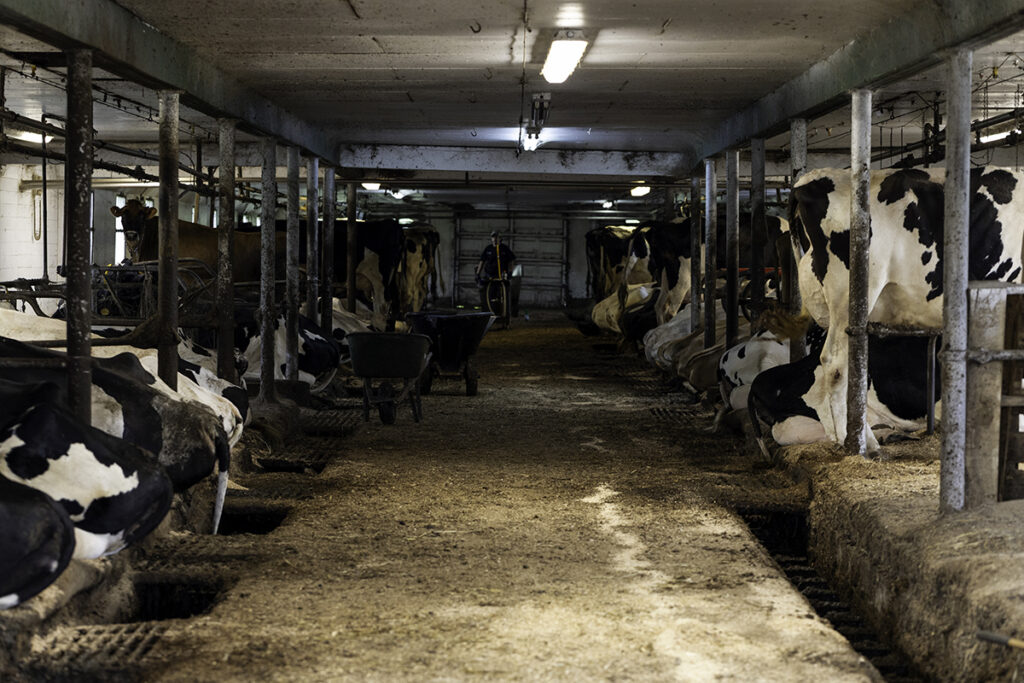
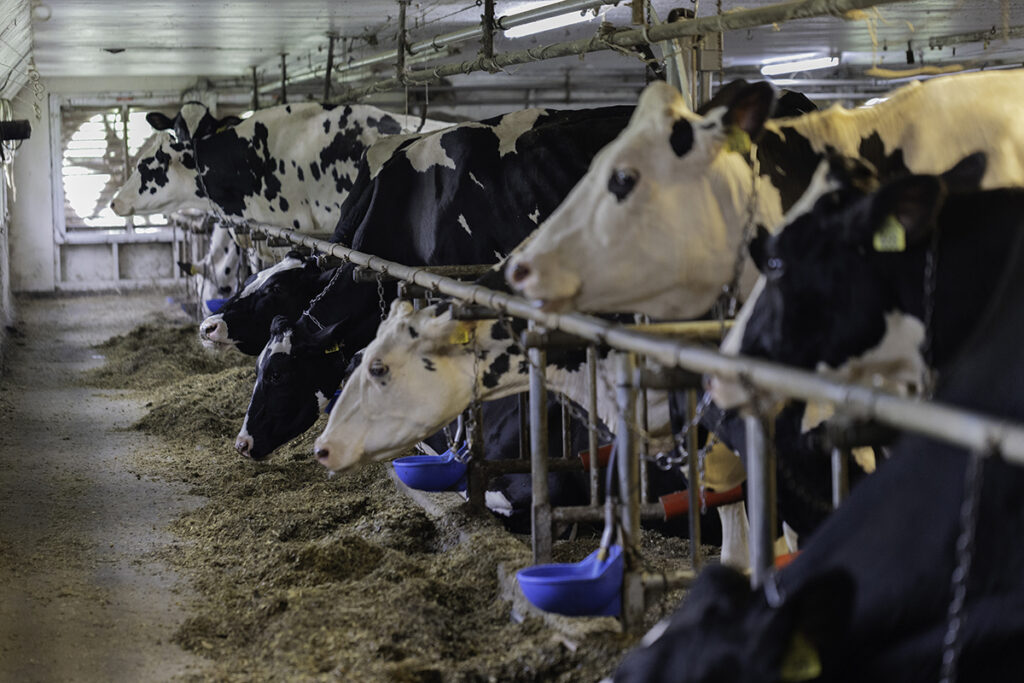
When I arrived, the farmer, Becky, first sanitized the preparation and milking area. Then the cows were brought in from the green pasture and placed in individual stalls inside the barn. Afterwards, Becky brought the cows into the milking area one at a time. Typically, two cows were in the preparation room at a time while the others remained in their designated areas.
The Steps of Milking a Cow
The milking process involved several important steps:
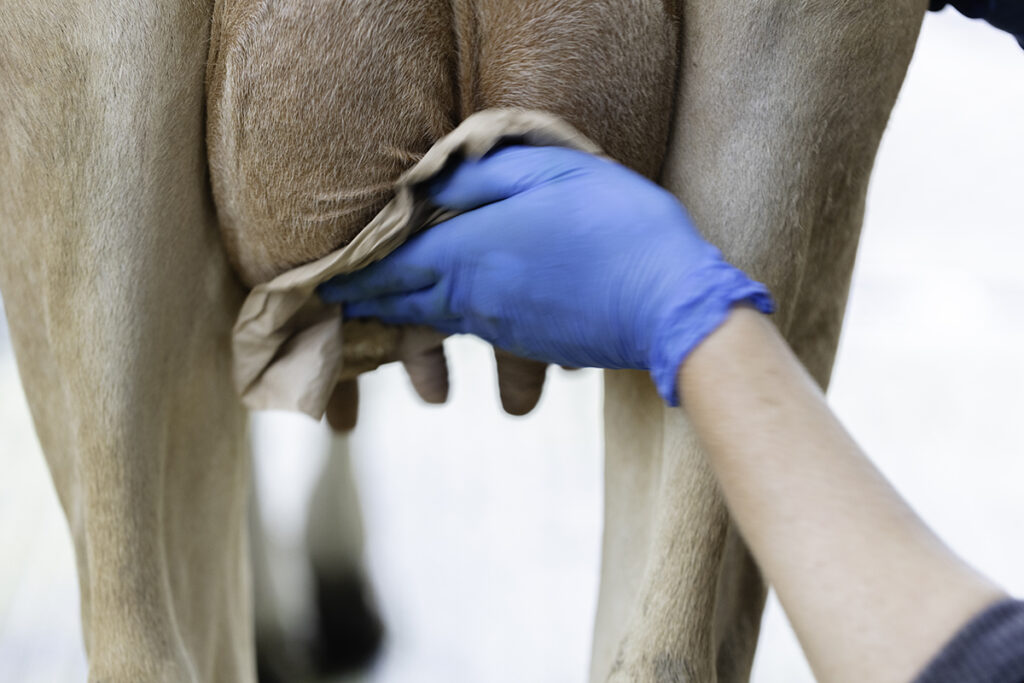
- Positioning the cow — The cow was placed in the appropriate stall and secured safely. Her tail was also positioned with a clip to keep it out of the way during the milking process.
- Cleaning and drying — The udder was thoroughly wiped and dried before milking.
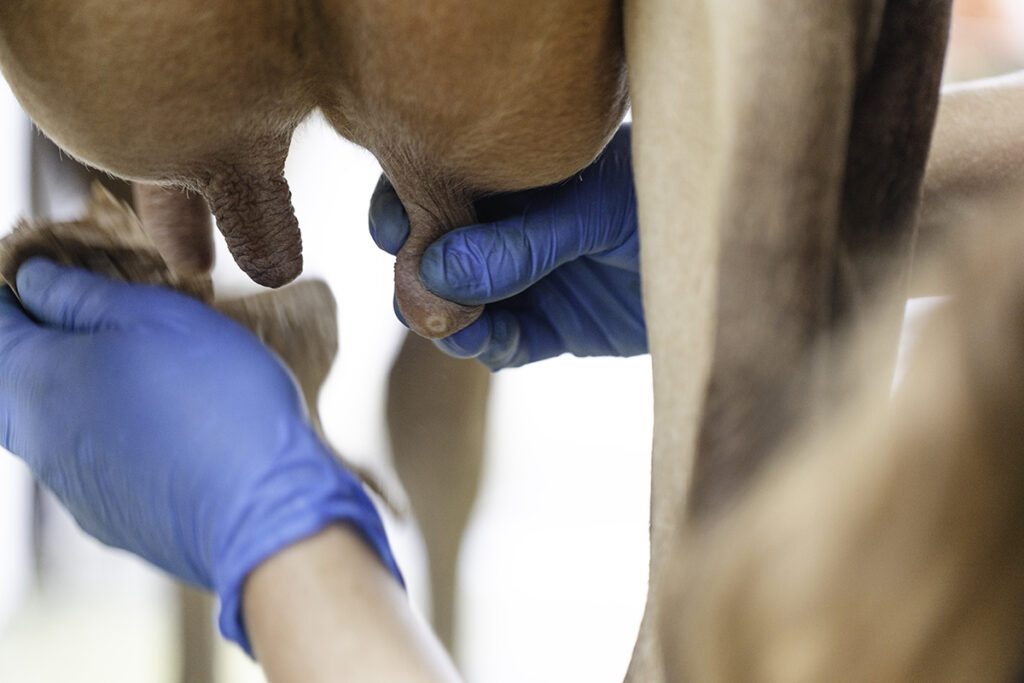
- Checking for abnormalities — The udder was examined for anything unusual that could indicate a potential health or quality issue.
- Applying iodine — The udder was dipped in an iodine solution as part of the sanitation process.
- Wiping the udder — After the iodine treatment, the udder was wiped again with a clean paper towel.
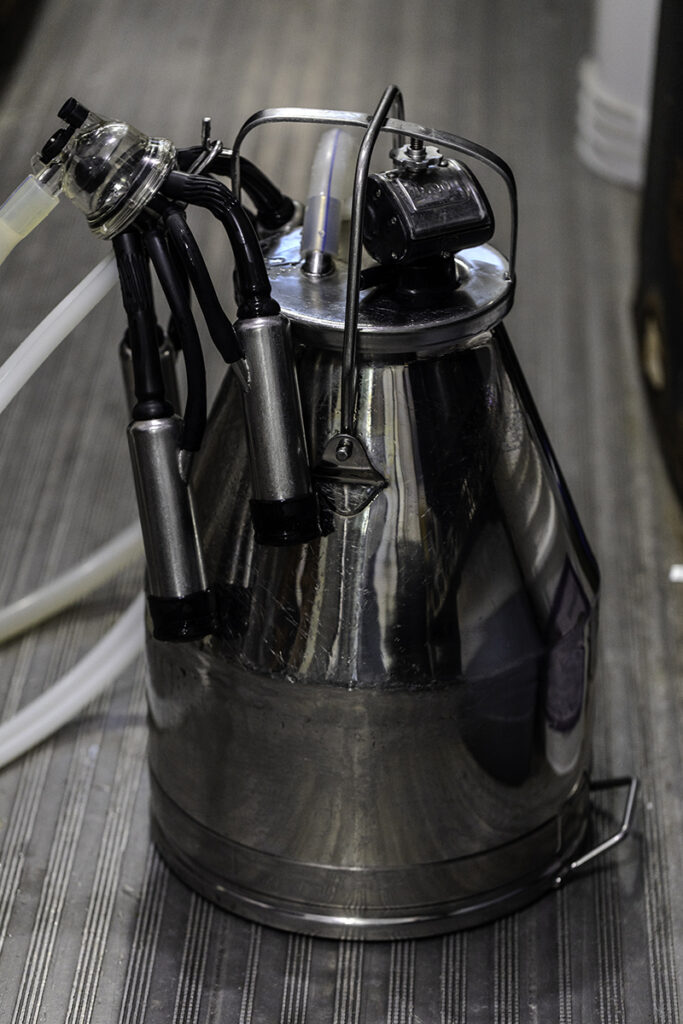
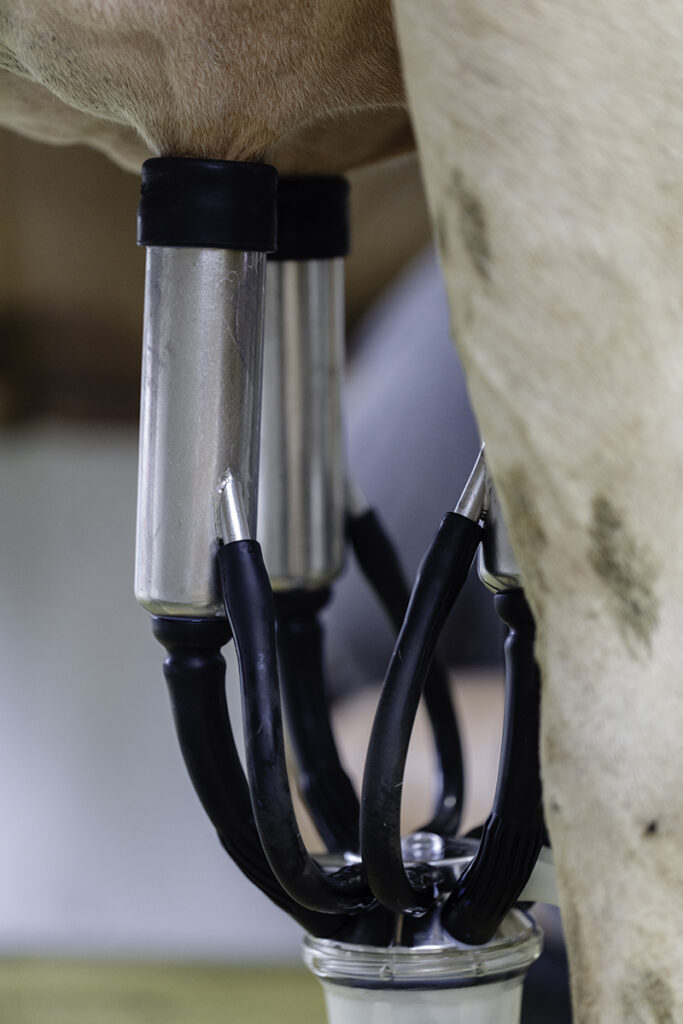
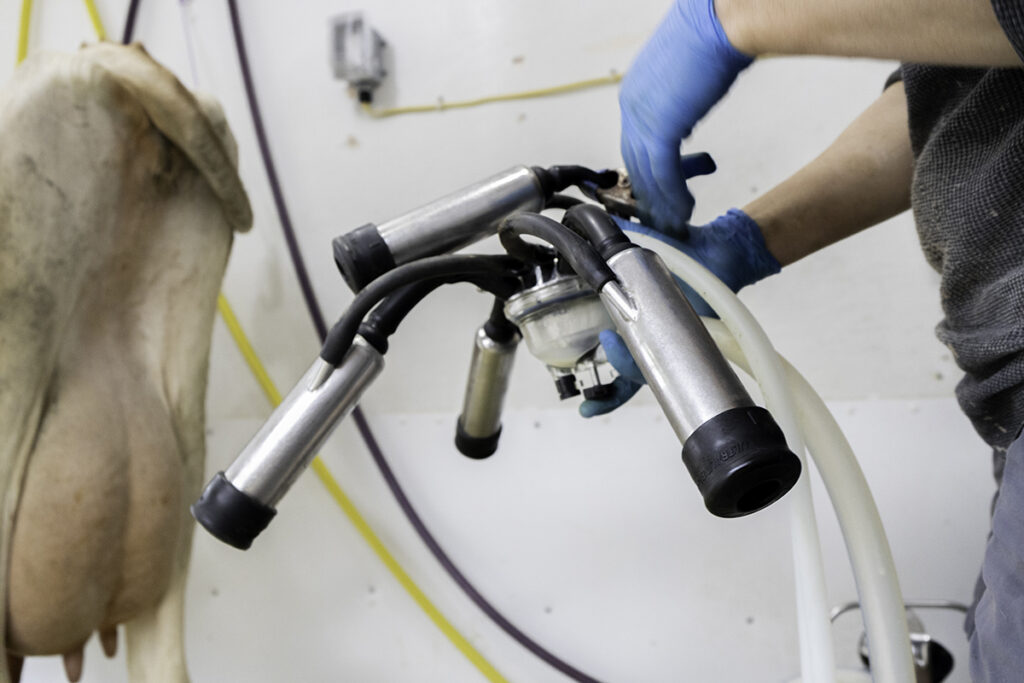
- Attaching the milking equipment — The suction cups were carefully placed onto the cow’s teats.
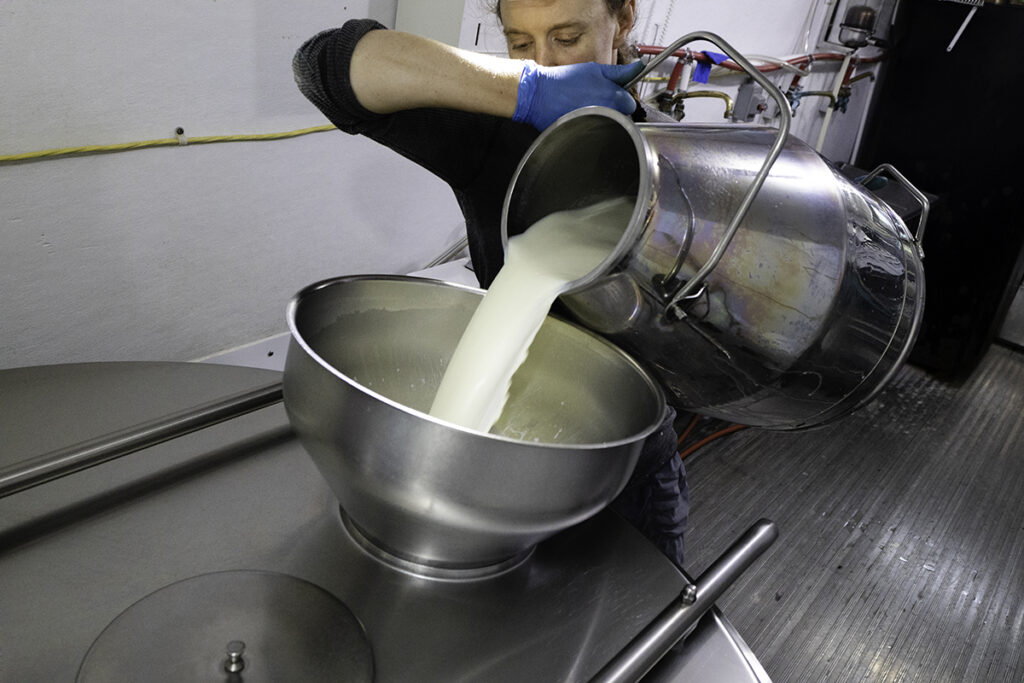
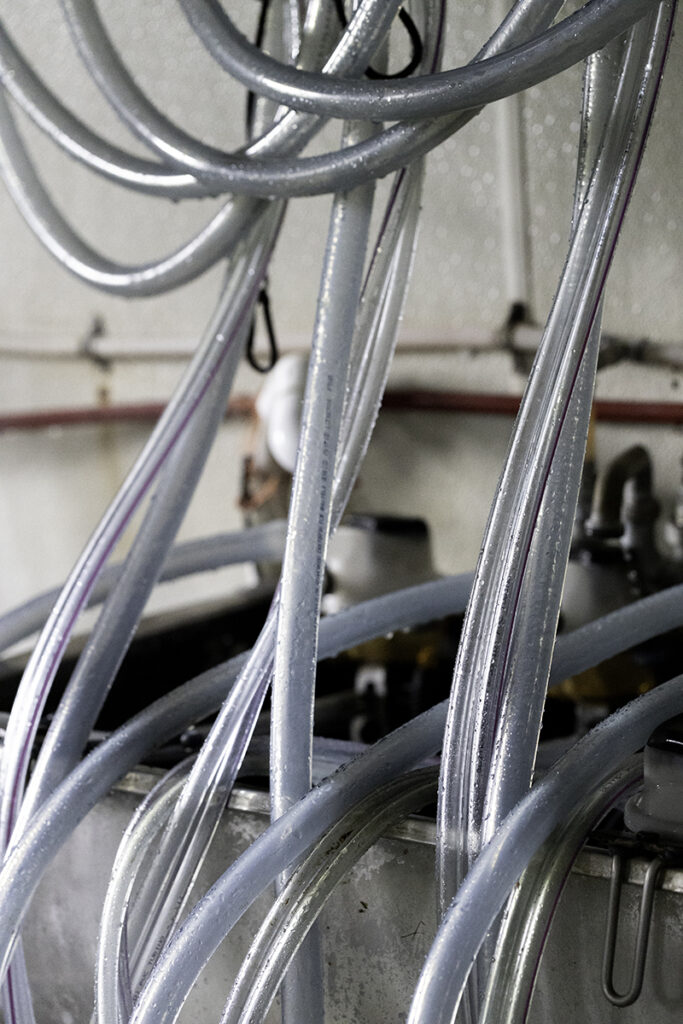
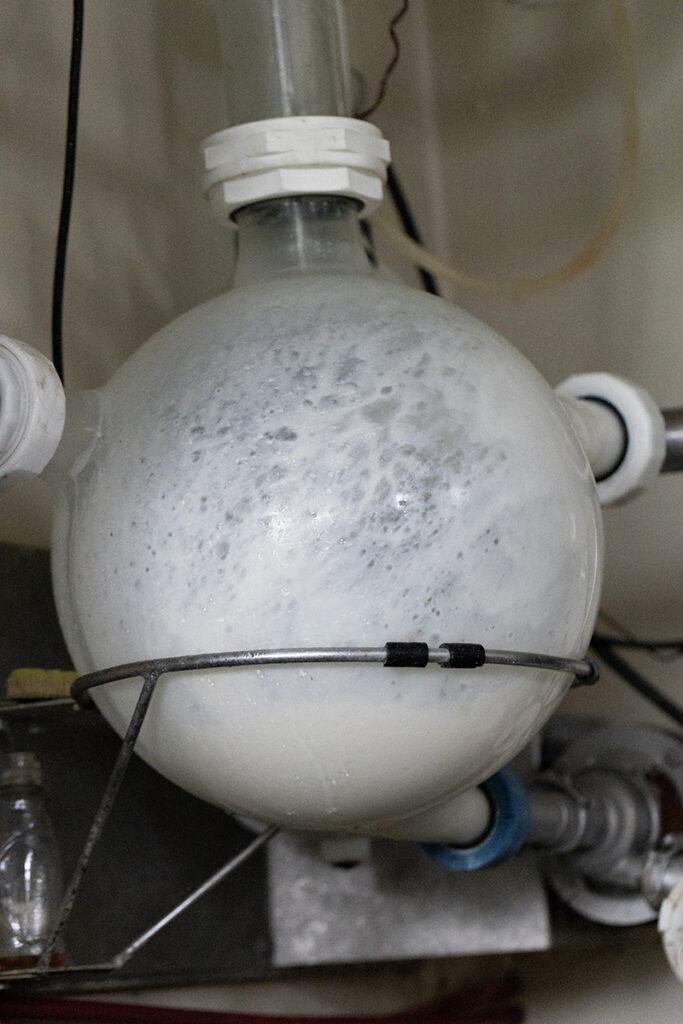
- Milking — The milking machine created suction and transferred the milk directly from the cow into the milk collection system.
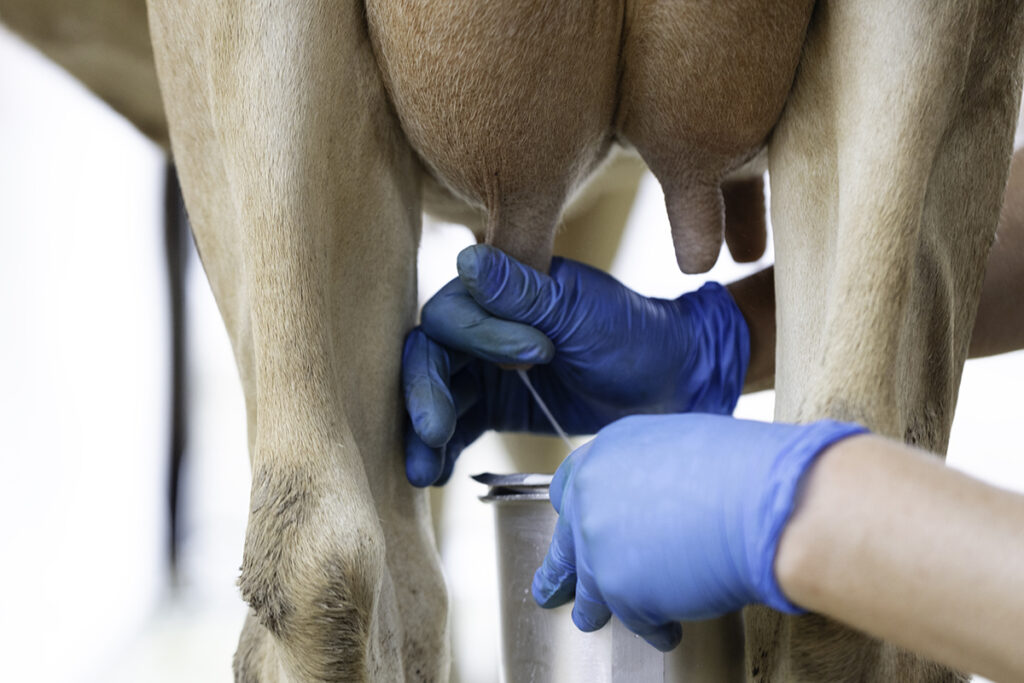
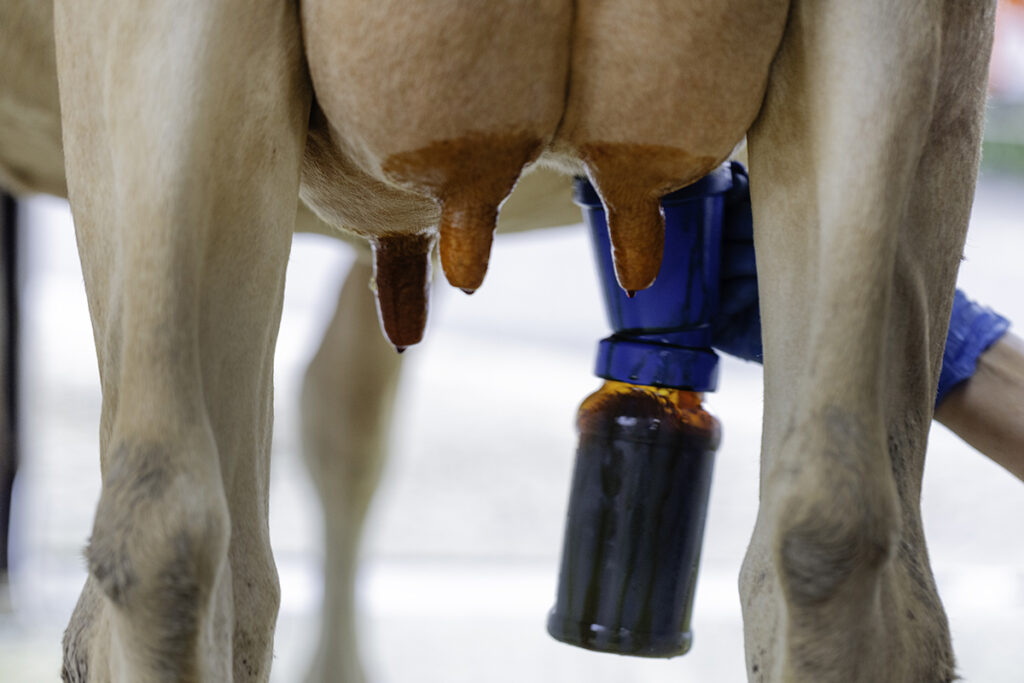
The entire process of milking approximately 12 cows took around three hours, including the demonstration and preparation.
What I Learned
This experience gave me a much greater appreciation for the amount of work and responsibility involved in producing milk. Milking a cow is not simply a matter of attaching a machine and collecting milk. There is extensive preparation, sanitation, observation, animal care, and equipment maintenance involved.
Final Thoughts
Raw milk remains one of the most debated foods in modern nutrition. Its history reflects both the dangers of poor agricultural practices and the evolution of public health protections. Today, consumers have more information—and more choices—than ever before.
Understanding where your milk comes from, how it is produced, and the evidence supporting both its potential benefits and its risks allows you to make an informed decision that aligns with your personal health goals.
Special thanks to Old Ford Farm in New York’s Hudson Valley for supporting this article.
Special thanks to Spruce Gate Farm in New York’s Hudson Valley for supporting this article.
Learn more
Photojournalist
Disclaimer: This is not medical advice. I’m not a doctor. It does not create a doctor-patient relationship between Electrik Elixir and you. It should not be used to self-diagnose and it is not a substitute for a medical exam, cure, treatment, diagnosis, and prescription or recommendation.You should not make any change in your health regimen or diet before first consulting a physician and obtaining a medical exam, diagnosis, and recommendation. Always seek the advice of a physician or other qualified health provider with any questions you may have regarding a medical condition. This video/article/photos is for general informational purposes only.